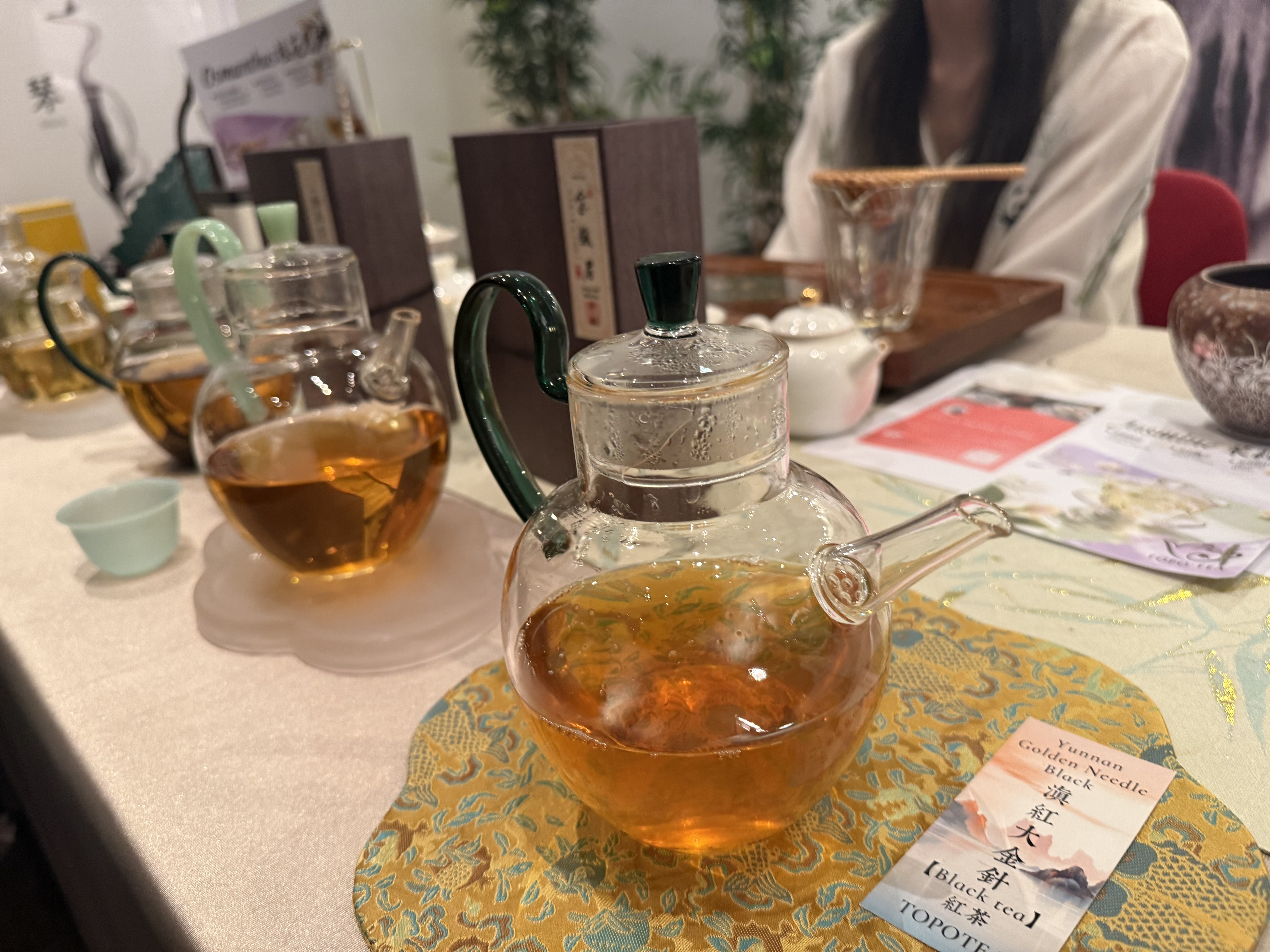
A new wave of Chinese tea brands expanding into Western markets is transforming an ancient product into a contemporary lifestyle offering for younger, urban consumers. This shift was evident at the 2025 Sydney Tea Expo, which served as a small but increasingly interactive showroom for Chinese tea exporters and Australian-based importers.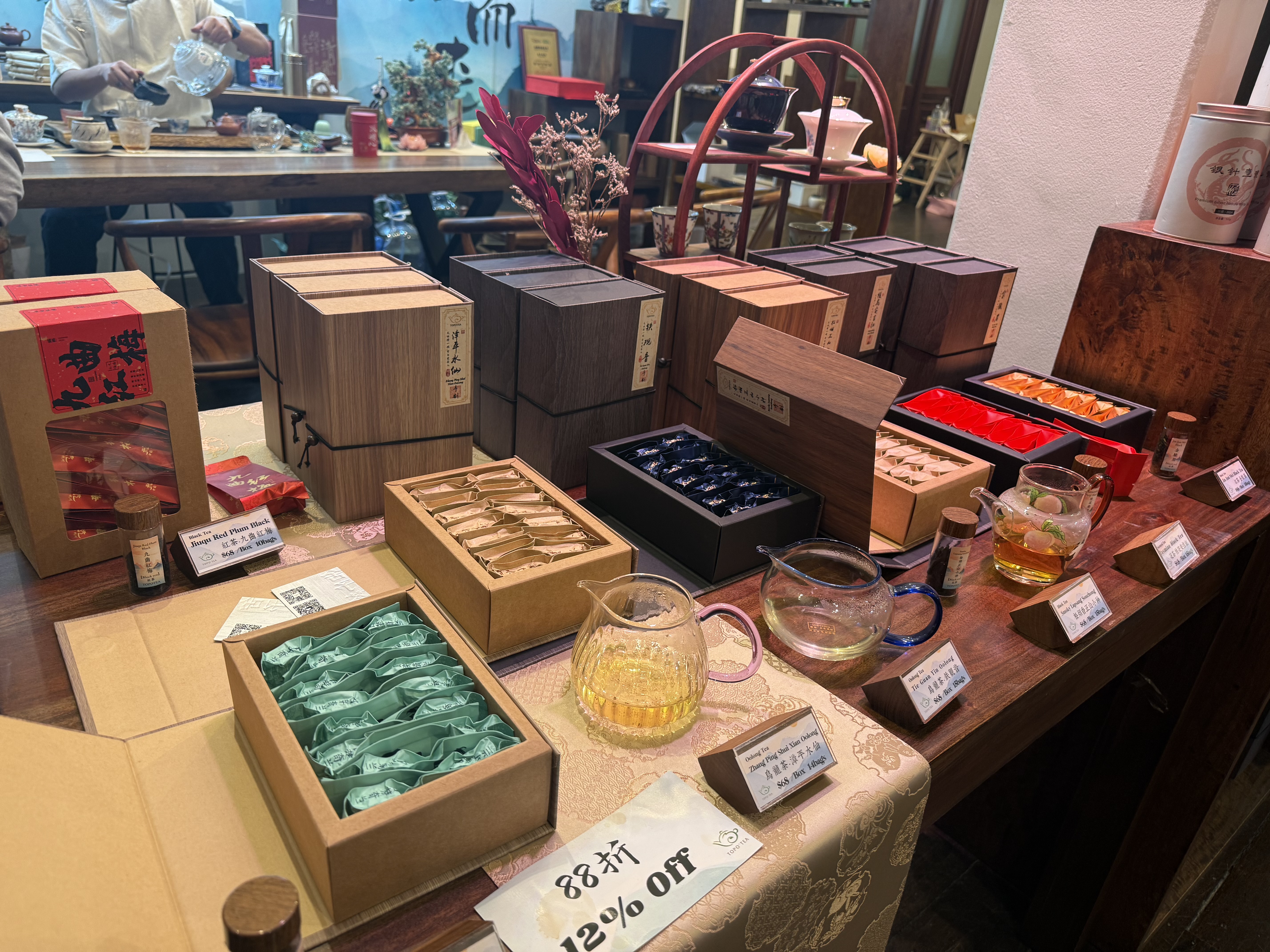
The expo, held at Sydney Town Hall from 5 to 7 December, focused almost exclusively on Chinese tea, with other major global tea traditions—including Indian, Sri Lankan, Japanese and traditional English tea—notably absent. Exhibitors showcased teas across China’s six major categories—rock tea, pu’er, white tea, oolong, green and black tea—alongside bottled drinks and modern teaware.
According to the 2025 China Tea Report: Exports, Green tea dominates China’s outbound shipments, accounting for around 86.6% of total export volume, followed by black tea at approximately 6.6%.
Many Chinese producers highlighted smaller, design-led packaging, reflecting changing consumption habits among metropolitan consumers who prioritise quality, portability and gifting over bulk purchases. The emphasis was on premiumisation, provenance and storytelling rather than volume-driven sales.
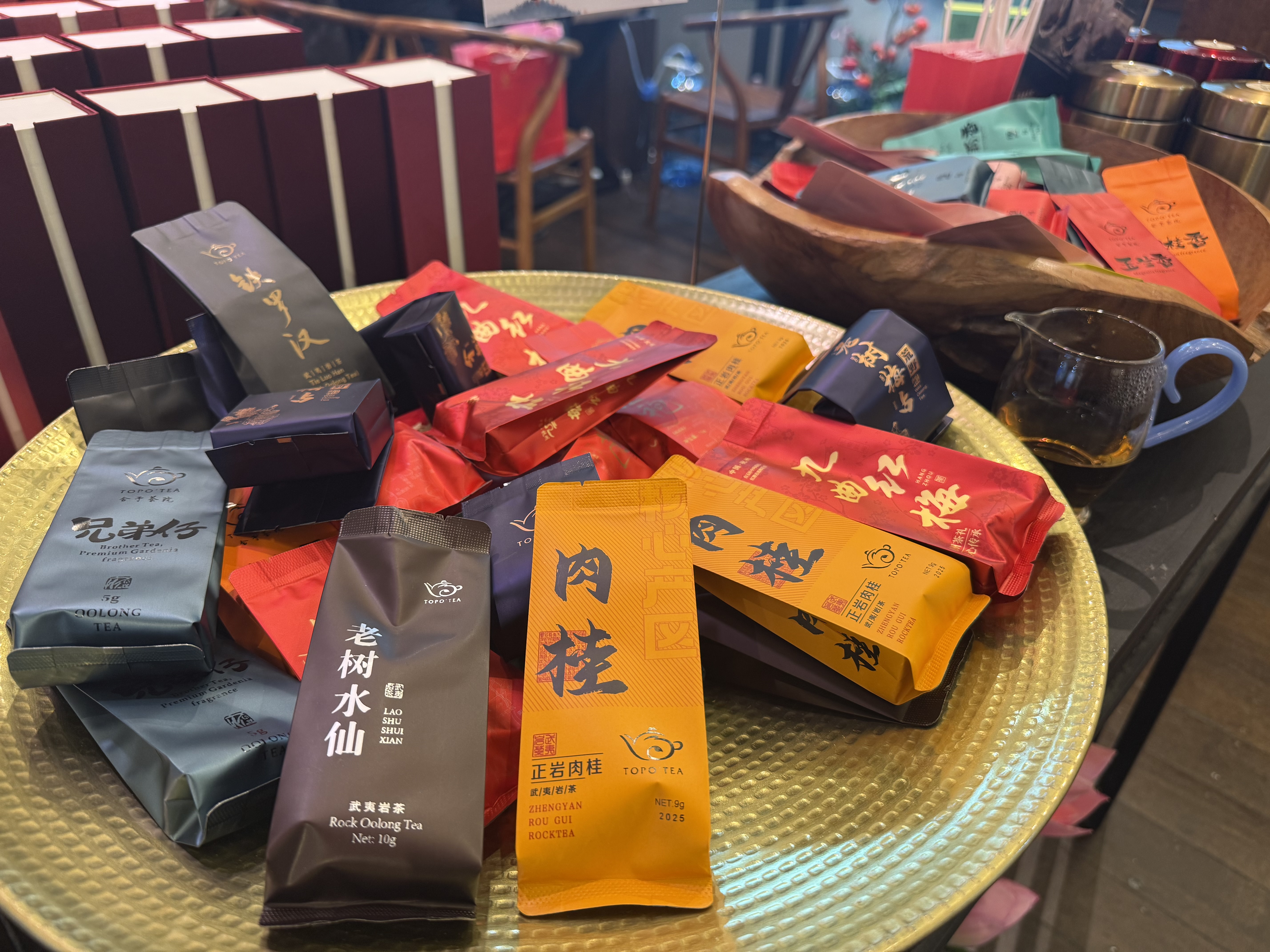 Local tea importers are redefining physical retail by turning traditional shops into tea rooms focused on tasting and learning, drawing on Taoist and Buddhist ideas of balance and mindfulness. At the expo, tea ceremonies, calligraphy, performance art and guided tastings led by tea masters from brands such as Topo Tea underscored the growing role of education and storytelling in premium tea engagement.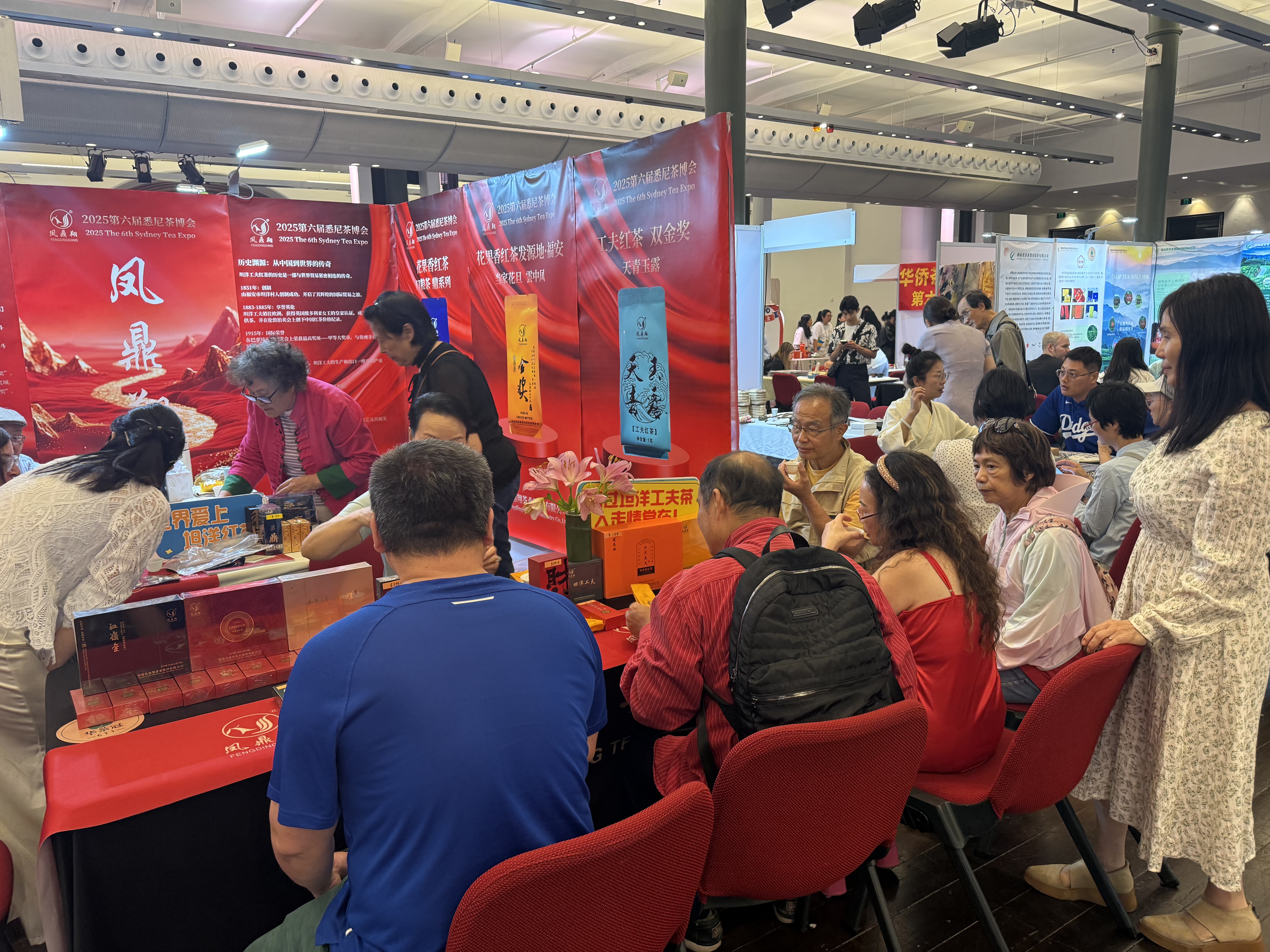
The trend mirrors developments in Australia’s tea market, where brands such as T2 have helped shift tea from a utilitarian pantry staple to a lifestyle product, integrating design, gifting and indulgence into everyday rituals and preparing consumers for more experience-driven tea culture.
According to United Nations COMTRADE data, Australia imported approximately AUD 7.59 million(US$5.06 million) worth of tea from China in 2024. Australia’s total tea imports reached around 13,000 tonnes, up about 17% year on year, underscoring continued market growth and opportunities for premium, experience-driven offerings.