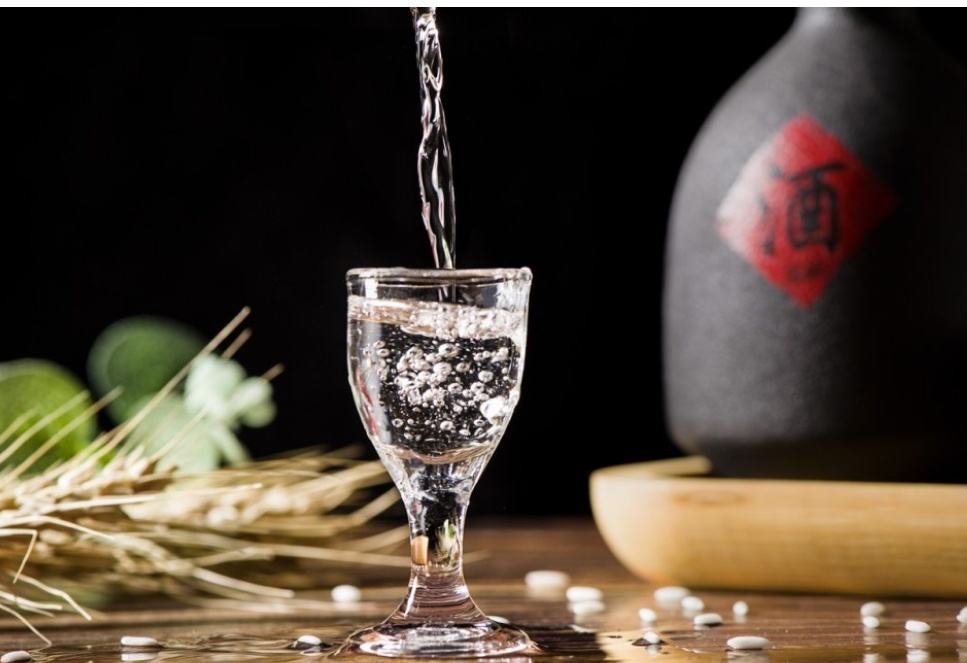
Entering 2026, Sydney hosted two Baijiu (Chinese distilled liquor, typically between 35% and 60%) launch events within the space of a week — a small but telling snapshot of this momentum.
On 28 January, GuJing Gong Liquor marked its official entry into Australia with a Lunar New Year–themed launch and tasting. Produced by Anhui Gujing Distillery, the brand carries significant prestige in China, underpinned by a long production history, traditional brewing techniques and state recognition. Coverage of the Sydney event appeared primarily in Chinese-language media, and attendance appeared to be largely drawn from local Chinese communities.
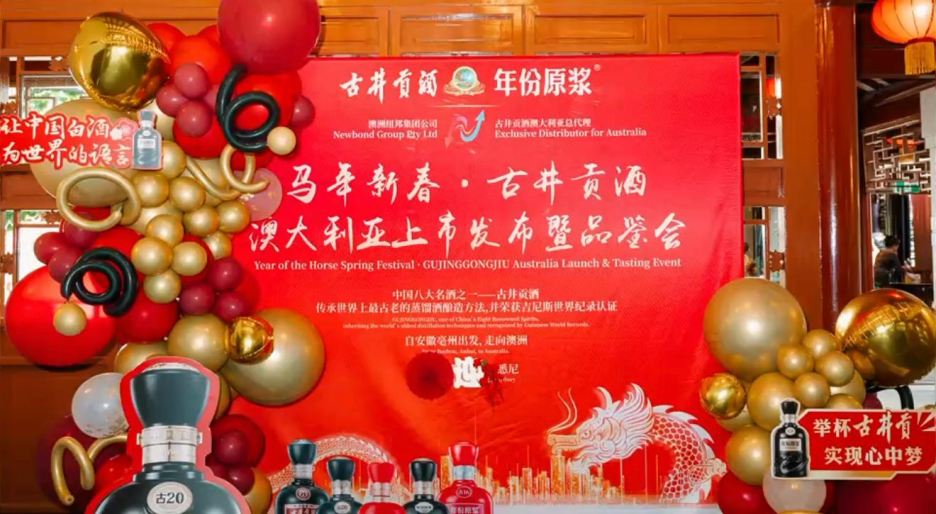
Image Source: 2ac Australia Chinese Radio
Only days earlier, on 22 January, Shede Spirits staged its Shede Aged Baijiu Festival in Sydney and unveiled Shede Zizai, a 29-degree expression released overseas for the first time. The event marked the fifth stop in Shede’s international rollout, following Canada, France, Singapore and Malaysia. The product name Zizai (自在), drawn from Chinese philosophy, points to ease and balance — an attempt to frame baijiu in more universal terms for overseas audiences.
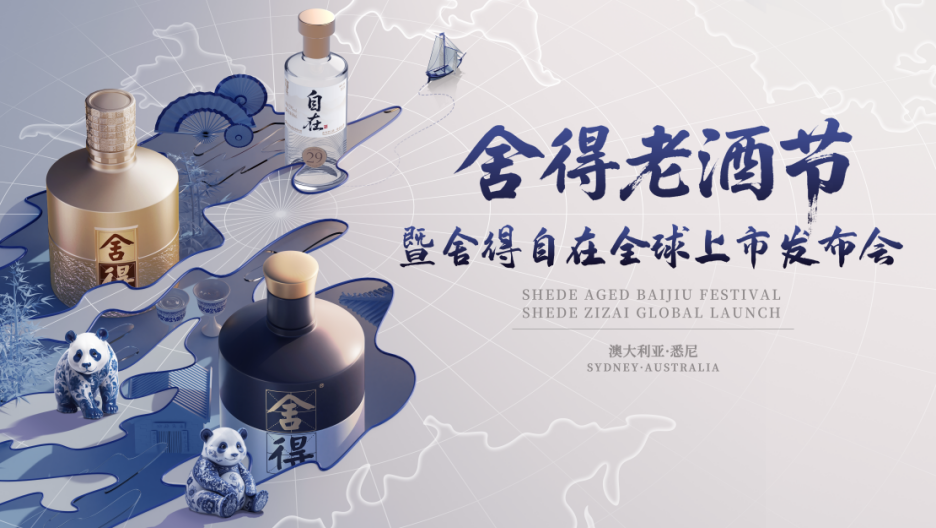
Image Source: Finance.sina.
Meanwhile, Fenjiu, from Shanxi province, and Wuliangye, from Sichuan province, have also stabilized its Australian operations in 2025, alongside earlier arrivals such as Moutai and Luzhou Laojiao, adding to the category’s visibility Down Under and signaling sustained interest from leading producers.
The growing push by Chinese baijiu corporations into Australia also raises a harder question: beyond symbolism and presence, how far has baijiu meaningfully entered the Australian market — and how realistic is broader acceptance among consumers outside its core audience?
Concentrated Demand, Structural Constraints
China’s baijiu market was valued at an estimated US$157.8 billion in 2024 and is projected to reach US$225.4 billion by 2033, implying annual growth of roughly 4 per cent. The figures point to a category that is massive in scale, yet remains overwhelmingly domestic.
Official customs data compiled by Vino Joy News shows that between January and August 2025 China exported US$605.2 million worth of baijiu, up 4.7 per cent year-on-year in value and around 3.5 per cent in volume. Even so, exports represent only a minor share of total production.
Hong Kong accounts for more than 40 per cent of export value, followed by Macau and Singapore — markets that remain closely tied to Chinese consumer culture and gifting practices.
Australia reflects the same pattern. Industry observers broadly agree that most baijiu sales — especially at the premium end — still come from Chinese-Australian consumers, who already understand the product’s cultural meaning and ceremonial role.
In that sense, baijiu’s visibility in Australia has risen faster than its consumption, which remains constrained by flavour preferences, drinking habits, and local drinking occasions.
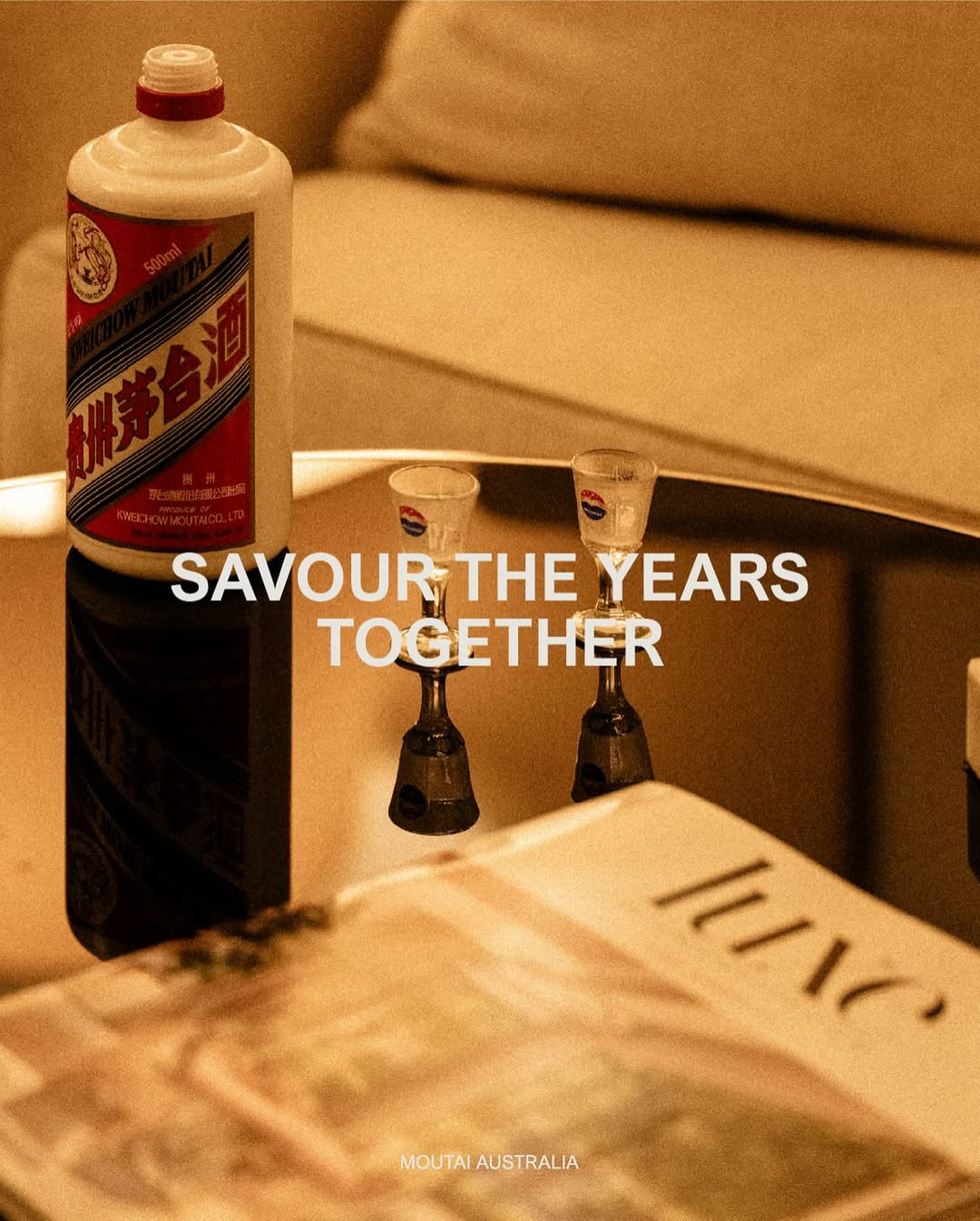
Image Source: https://www.instagram.com/moutaiaustralia/
Taste, Culture and Scale
Baijiu’s flavour profile sits well outside the comfort zone of most Western spirits drinkers. For first-timers, it can feel pungent and confronting — sharp on the nose, with a strong fermented character and a lingering aftertaste that is difficult to place.
Culture is another barrier. Baijiu is built around banquets, formal toasts and status-driven rituals. Its high alcohol strength and shot-drinking culture remain a key barrier to broader uptake.
Australian drinking, by contrast, is casual, venue-led and individualised. Even in cocktails, baijiu often arrives without the context that explains its premium positioning.
Most localisation efforts so far — tastings, chef collaborations, cocktail recipes and cultural events — remain niche and curated. They build visibility and credibility, particularly within hospitality, but have yet to translate into repeat, mainstream consumption at scale.
The Push Continues, But the Breakthrough Remains Elusive
For leading producers, overseas expansion is less about immediate sales than long-term positioning. International presence signals global ambition and reinforces premium status in China, while also aligning with Beijing’s broader push for heritage brands to “go global” as part of its cultural confidence, soft-power agenda, and trade strategy.
As institutional support strengthens, Australia is increasingly emerging as a test market for baijiu’s international ambitions. Affluent, Asia-facing, and backed by a sophisticated hospitality scene, it offers a logical entry point — even if volumes remain modest for now.
The real question is whether experimentation and brand-building can translate into broader local acceptance, a shift likely to take years rather than campaigns.
To be continued.