If you missed this year’s campaign window — or are still unsure how to approach it — here are eight essential insights you need to know:
1. The Date Changes Every Year
Lunar New Year does not fall on a fixed date in the Gregorian calendar. It usually lands between late January and mid-February, following the lunar cycle.
For businesses, this means the commercial window extends beyond the traditional Christmas–New Year peak, creating a secondary high-spending season.
Key commercial windows include:
- Pre-New Year gifting, tourism and hospitality (1–2 weeks prior)
- New Year’s Eve and New Year’s Day, when foot traffic and celebratory spending peak
- The first 15 days of the lunar month, culminating on the 15th day with the Lantern Festival.
Lunar New Year is a season — not a single-day event. Brands that plan sustained activations across this period tend to generate stronger engagement, deeper cultural resonance and higher commercial returns.
2.“Lunar New Year” vs “Chinese New Year”
Both terms are used across Australia, often interchangeably. However, the blanket use of one term has drawn criticism and sparked debate over cultural origins.
Many Australian brands instead:
- Simply say “Happy New Year”, or
- Refer to the zodiac year (e.g. “Year of the Dragon celebrations”).
This approach shows cultural sensitivity while avoiding terminology debates. For events tailored to specific diaspora communities, it’s best to follow the host organisation’s preferred term.
3.Major Markets & Festivals Drive Foot Traffic
Across Australia, Lunar New Year activity is typically concentrated in Chinatown precincts and major suburban hubs with large migrant and diaspora communities across most major cities. Temporary markets, food stalls, cultural performances and brand pop-ups converge in these areas, generating concentrated seasonal foot traffic and elevated consumer demand.
Businesses are strongly advised to monitor city event portals and local council websites well in advance to confirm event locations, application processes and key dates. Registration deadlines are often set months ahead, and late planning can mean missing out on valuable activation opportunities.
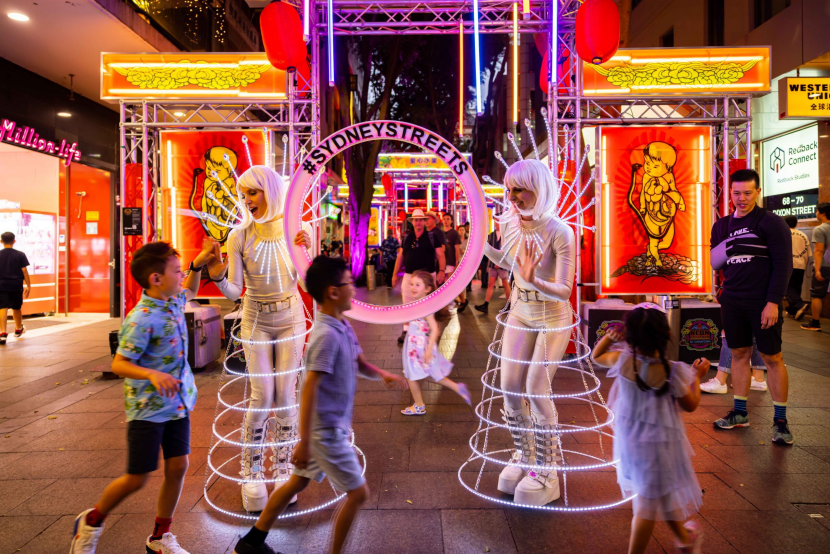
Image Source: https://www.marketcity.com.au
4. Colour Choice Carries Meaning
Red and gold dominate Lunar New Year visuals — and for good reason.
- Red symbolises luck and protection.
- Gold represents wealth and success.
What brands often avoid is equally important. Heavy use of white or black — traditionally linked to mourning in some cultures — can feel inappropriate.
Attempts to “stand out” with unconventional palettes sometimes can backfire. In one year, the City of Sydney’s use of white lanterns and tree decorations drew heavy community criticism.
5.Decorate and Celebrate
Local area marketing and in-store activations featuring decorative elements such as lanterns, red envelopes and festive posters offer a low-cost yet high-impact way to engage customers celebrating Lunar New Year. Beyond traditional décor, many Australian shopping centres now commission large-scale contemporary installations that blend cultural symbolism with modern design, creating immersive seasonal experiences.
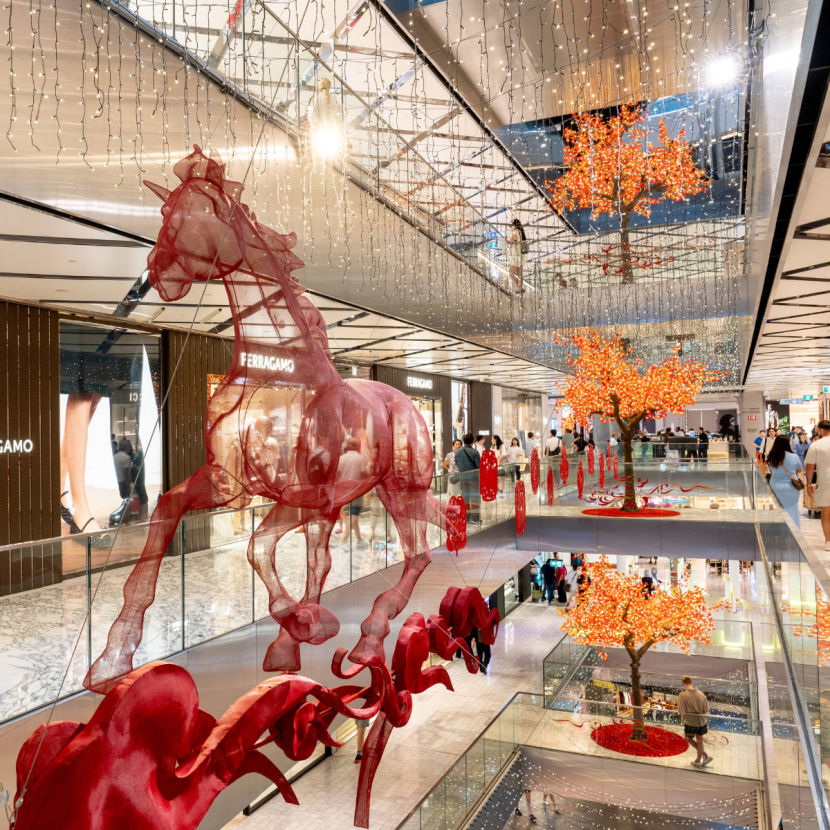
Image Source: https://www.westfield.com.au
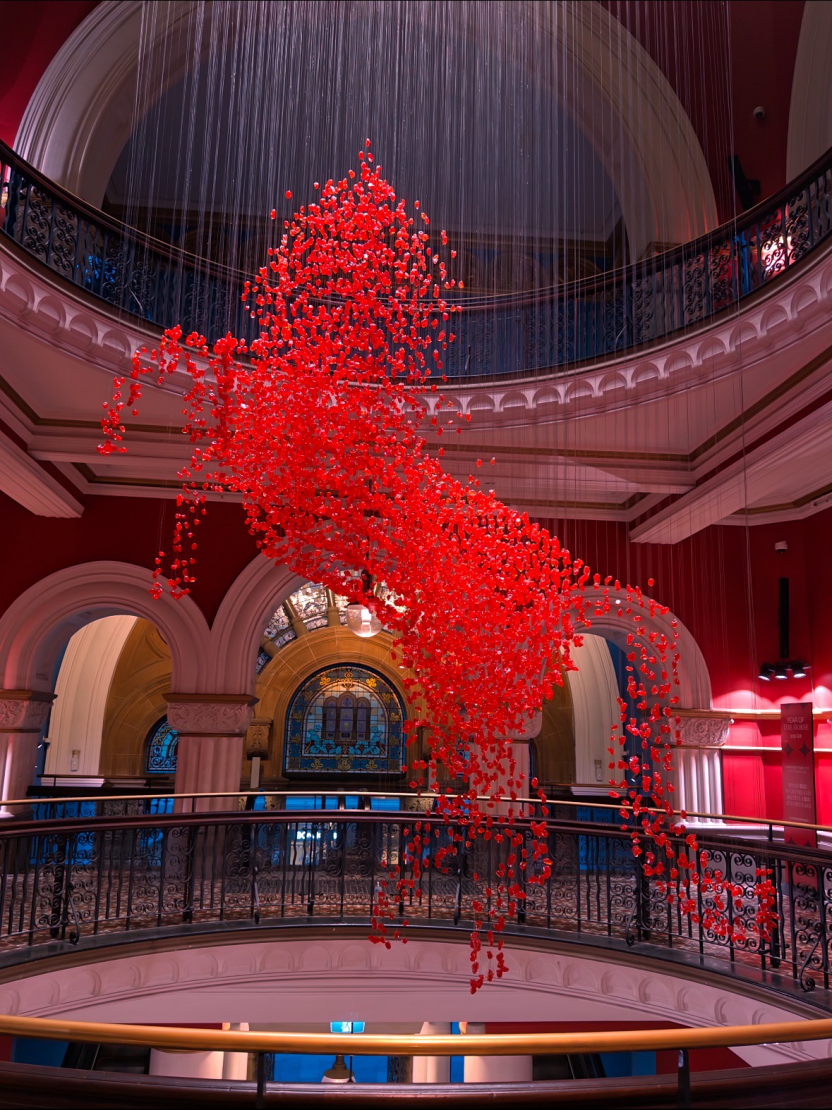
Image Source: HPH Wedding Design and Event Official Rednote
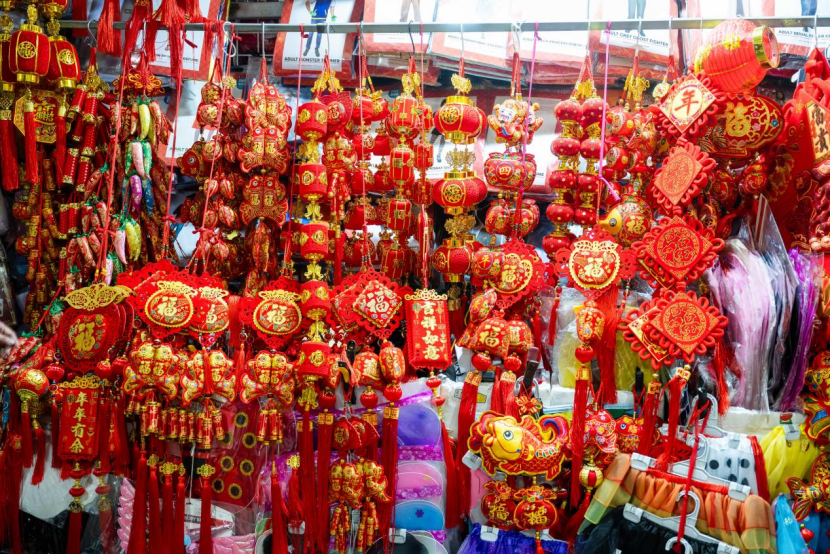
Image Source:https://www.paddysmarkets.com.au
6. The Zodiac
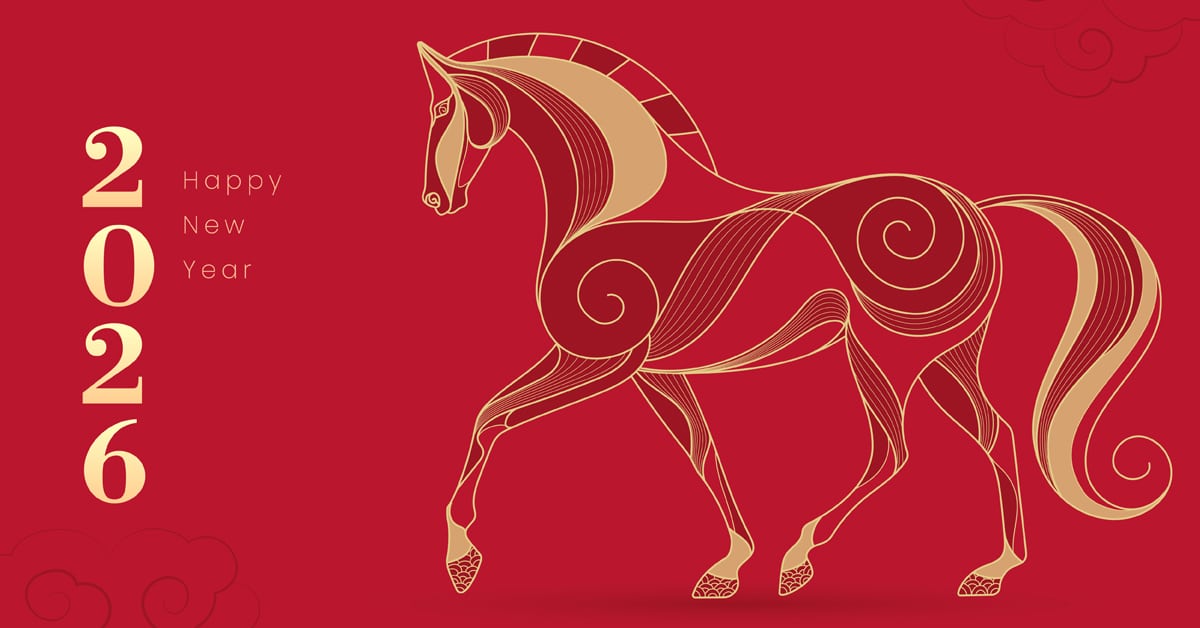
Each Lunar New Year aligns with one of the 12 zodiac animals — widely referenced in marketing, gift packaging and seasonal greetings.
The 12 zodiac signs are: Rat, Ox, Tiger, Rabbit, Dragon, Snake, Horse, Goat, Monkey, Rooster, Dog and Pig.
In Vietnamese culture, the Rabbit is replaced by the Cat in the zodiac cycle.
For Australia’s diverse Asian communities, recognising the correct zodiac year builds immediate cultural relevance and credibility. Brands often align campaigns with the positive traits associated with that year’s animal — such as strength (Tiger), prosperity (Dragon), intelligence (Rat) or loyalty (Dog) — to reinforce uplifting and aspirational messaging.
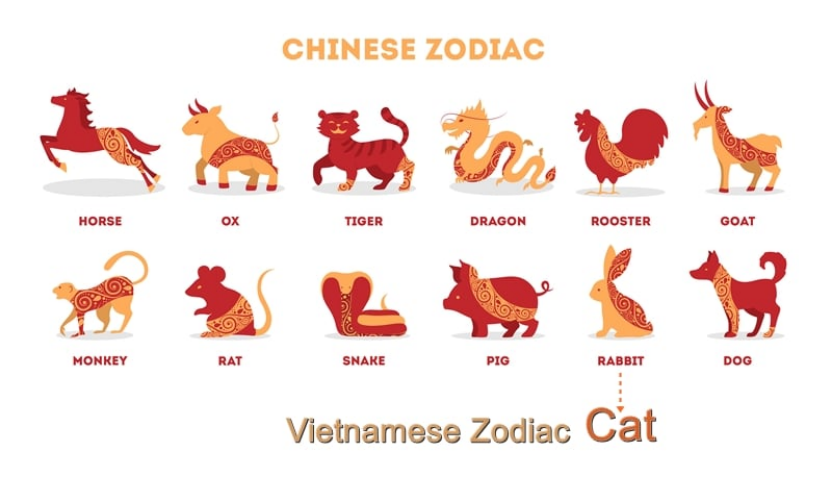
Image Source: https://www.vietnamdrive.com
7. Greetings Go Further When Multilingual
Even simple bilingual touches increase engagement. Common options brands use:
- English: Happy New Year / Happy Chinese New Year/Happy Lunar New Year
- Mandarin: 新年快乐 (Xīn Nián Kuài Lè)
- Cantonese: 恭喜发财 (Gong Hei Fat Choi)
- Vietnamese: Chúc Mừng Năm Mới/ Happy Têt
- Korean: 새해 복 많이 받으세요 (Saehae bok mani badeuseyo)/ Happy Seollal
Short greetings on posters, menus, social posts or packaging can significantly lift cultural resonance.
8. Gifting Culture
Lunar New Year is a peak season for personal and corporate gifting. Popular categories include:
- Food and confectionery
- Premium packaged goods
- Beauty and wellness products
- Dining experiences
- Gift cards
Common applications include:
- Limited-edition bundles, festive packaging or Lunar New Year gift sets
- Branded red packets (ang baos / hongbaos) featuring company logos and colours
- Discount deals or promotional offers distributed during the festive period
- Small festive gifts (e.g. sweets, tea, sample products) given with purchases
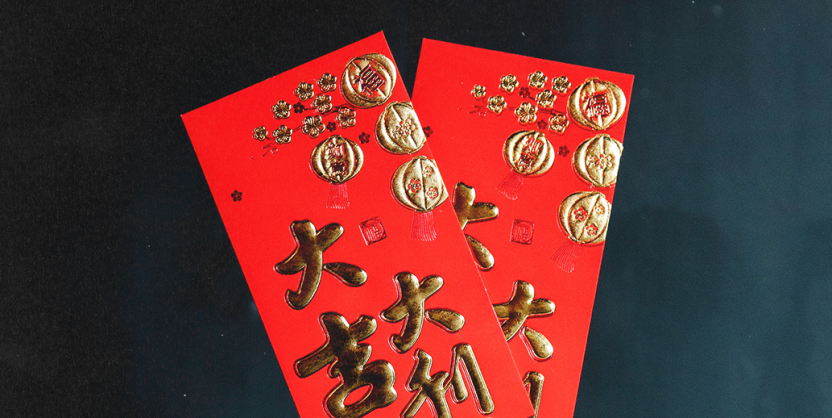
Image Resource: https://www.cosmopolitan.com