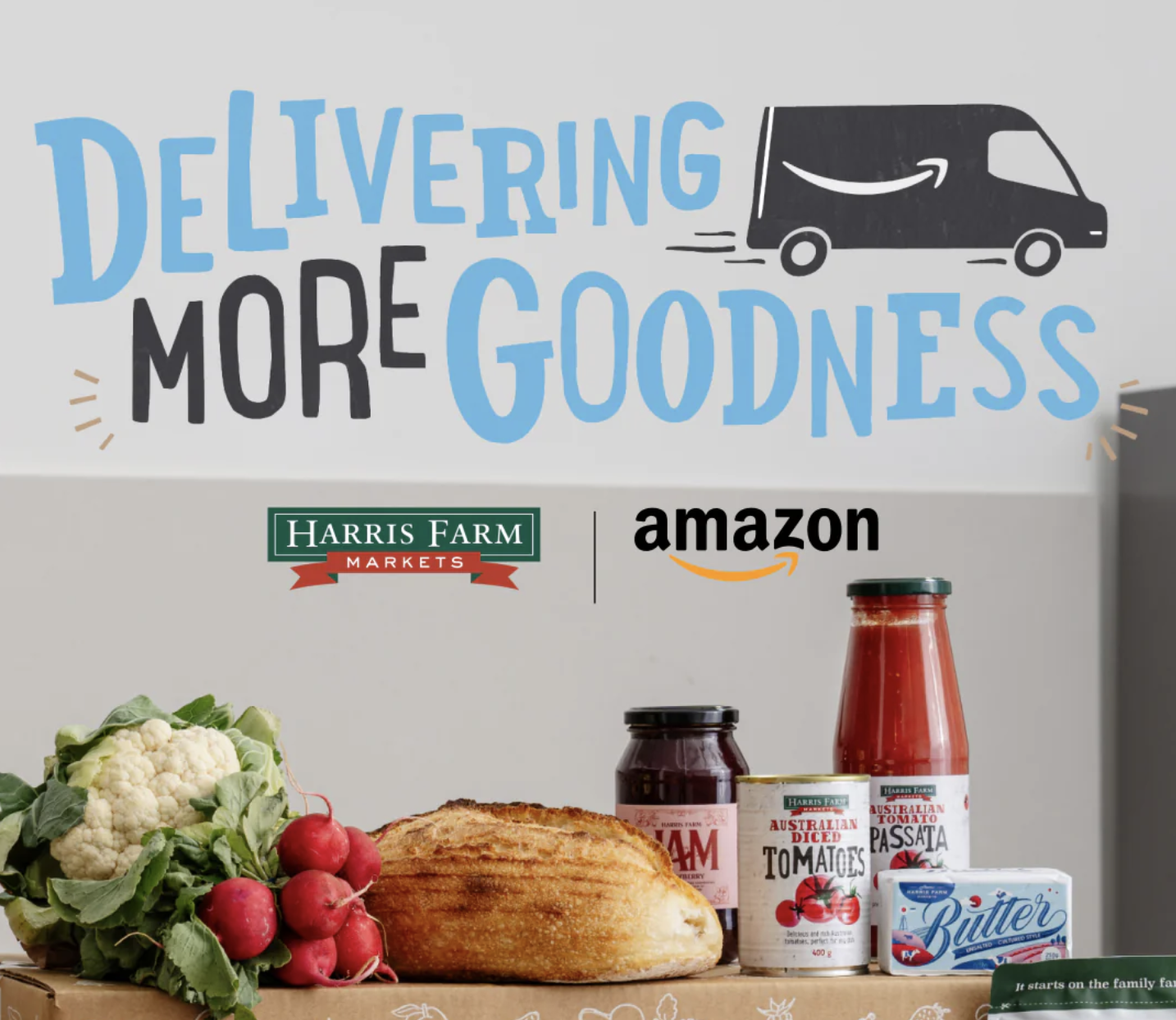
The move marks Amazon’s first expansion into online fresh produce and meat delivery in Australia, bringing the e-commerce giant into one of the country’s most competitive retail segments.
The move comes amid rapid growth in Australia’s quick commerce (Q-commerce) sector. In 2025, the market was valued at US$1.161 billion (approximately A$1.8 billion) and is projected to reach US$5.657 billion (around A$8.78 billion) by 2034—almost a fivefold increase.
Rising demand for 30- to 60-minute delivery windows, alongside deeper partnerships between digital platforms and supermarket chains, is reshaping grocery distribution. Instant delivery is increasingly treated as a core retail channel rather than an add-on service.
Throughout 2025, a series of developments accelerated the digitalisation of fresh food retail and expanded the infrastructure supporting online distribution. In July, Umall acquired Asian Grocer Online, strengthening its presence in the online Asian grocery segment.
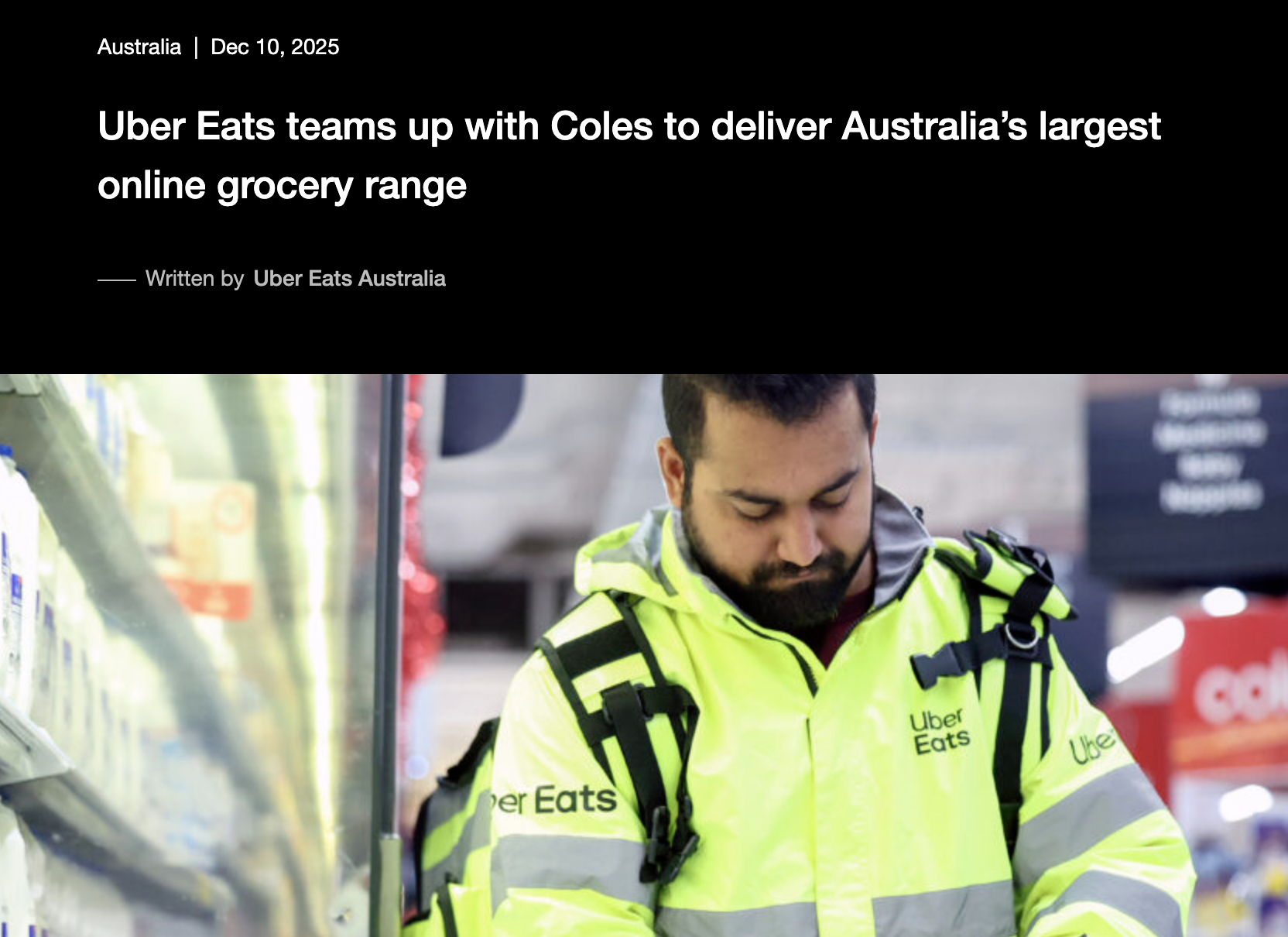
In December, Woolworths partnered with DoorDash, while Coles signed an exclusive on-demand delivery agreement with Uber Eats, expanding third-party logistics integration.
Before partnering with Woolworths, DoorDash had already expanded its grocery presence in 2025 through collaborations with Costco in February and Aldi in July, strengthening its position in the on-demand retail segment.
Online grocery adoption accelerated during COVID-19 lockdowns as many households turned to delivery out of necessity. While usage remains elevated compared with pre-pandemic levels, fresh food purchasing continues to involve considerations around quality, price and convenience. The current trajectory points to an increasingly multi-channel grocery environment.