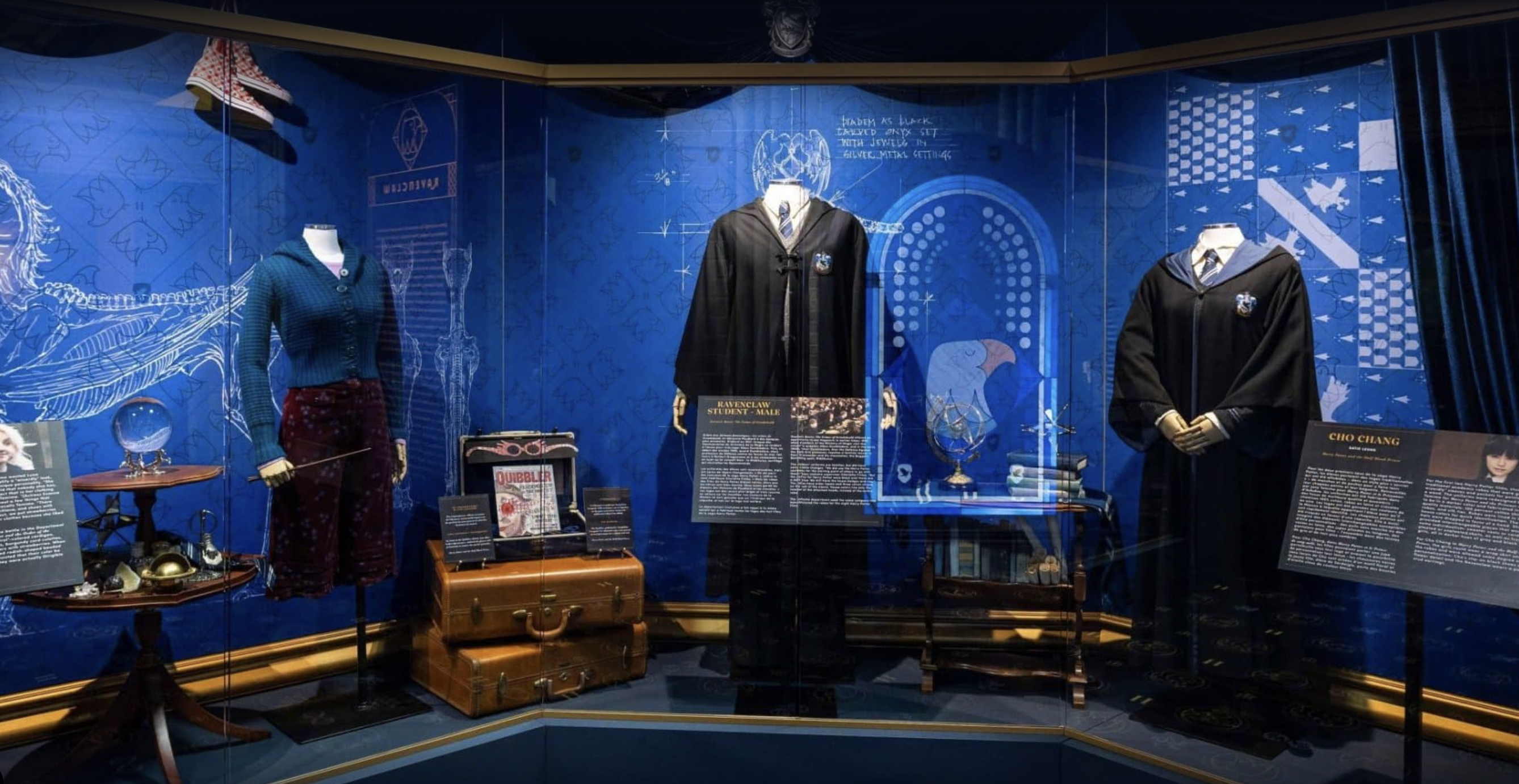
In May 2026, Harry Potter: The Exhibition, opens in Sydney at the Paddington Pavilion in Sydney Olympic Park. It will bring one of the most comprehensive and largest touring versions of the Harry Potter universe to date and the largest Harry Potter immersive experience of its kind ever to be staged in Australia. It has already attracted more than 4 million visitors worldwide. It represents the enduring popularity of one of the world’s best-known entertainment franchises and indicates a new stage in the Australian immersive experience market—one defined by greater scale and more mature operations.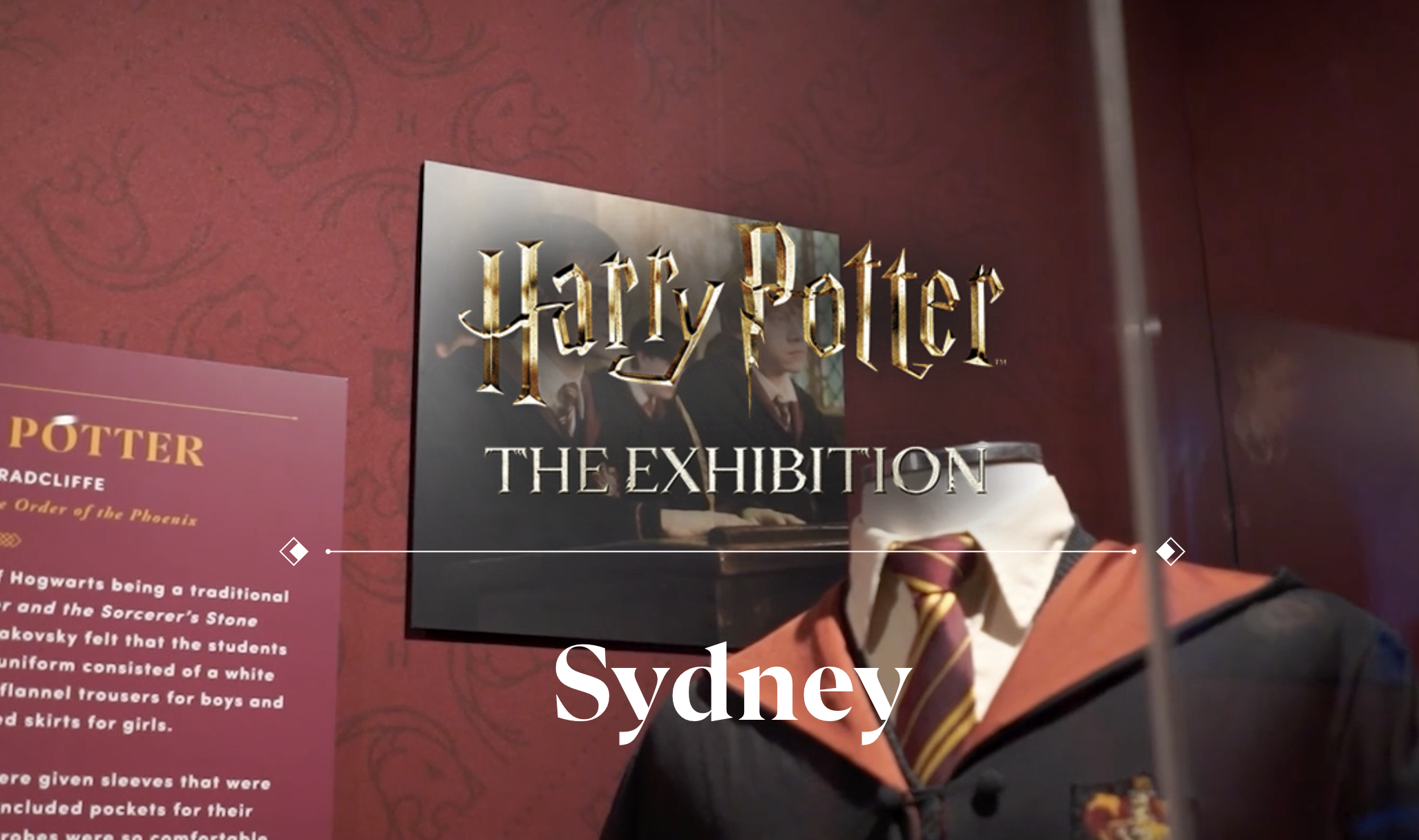
From a market perspective, this trend is also supported by clear indicators. Live Performance Australia’s 2024 report shows that the country’s live performance industry generated AUD 3.4 billion in box office revenue over the year, with total attendance reaching 31.4 million, both record highs. At the same time, the NSW Visitor Economy Strategy 2035 sets a target of AUD 91 billion in annual visitor expenditure by 2035 and explicitly identifies “immersive, high-quality and culturally rich experiences” as a key area of development. In other words, for Sydney and New South Wales, immersive projects are no longer seen simply as entertainment products, but as part of a broader framework involving tourism, city appeal, and consumer growth.
What makes this project distinctive is that it is not a traditional static exhibition. Instead, it combines film props, recreated sets, interactive installations, and self-guided exploration, converting visitors from exhibition viewers into participants who step into the story. The Paddington Pavilion has already hosted immersive projects such as Bubble Planet, which began operating at the same venue in June 2025 and features multi-themed spaces, interactive installations, and VR experiences. This suggests that Australia is not merely hosting a one-off hit project, but is gradually developing stable venues and consumer settings for immersive experiences.
In 2025, Stranger Things: The Experience was staged at Luna Park’s Crystal Palace, built around interactive storytelling, character participation, and themed environments. It later returned due to demand indicating this model—combining a well-established screen IP with immersive interaction—has already proven its appeal in the local market. The significance of Harry Potter: The Exhibition arriving in Sydney goes beyond the arrival of another major global entertainment franchise in Australia. It suggests more broadly that immersive experiences are progressing from temporary novelties to becoming regular fixtures of the urban entertainment landscape.