
LULI Tea, a Chinese herbal tea brand built around traditional medicine-inspired drinks, is expanding into Australia with two Queensland sites in Brisbane and the Gold Coast. The move marks the brand’s local debut and introduces a specialist tea concept closer to functional wellness beverages than conventional bubble tea.
The brand’s menu is built around herb-led tea blends positioned for different moods and occasions, including focus, calm and sleep support. Drinks include ingredients commonly associated with traditional Chinese food and wellness culture, giving LULI a point of difference in a tea market more often dominated by customisation, sweetness and social media aesthetics.
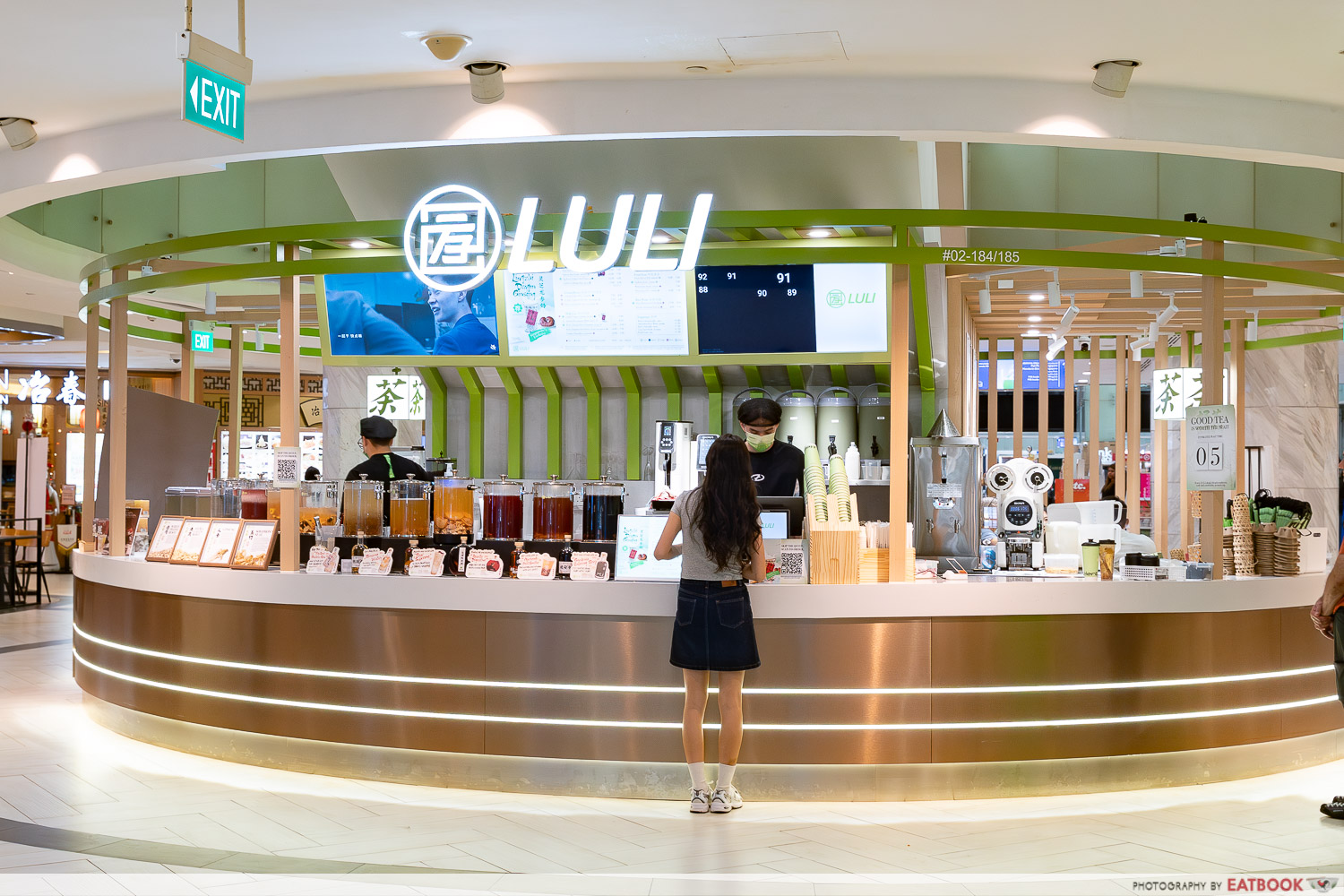
LULI TEA in Singapore(Source: Eatbook)
Rooted in the core philosophy of Medicine & Food Homology (MFH) from traditional Chinese culture, LULI Tea operates over 400 stores across China and has already built a successful overseas presence in markets including the United States, Singapore and Indonesia, prior to its ongoing expansion in Australia. Its official social media has also hinted that it is considering Sydney and Melbourne as its next target cities.
While bubble tea culture has boomed in popularity, young consumers have increasingly shifted toward healthier consumption, with sugar-free options becoming the popular choice. In this context, functional herbal teas tailored to specific wellness needs have emerged at a particularly opportune moment.
Australia is not new to herbal drinks altogether. Packaged beverages such as barley water, mung bean drinks and other herbal products are already familiar in many Asian grocery settings, indicating LULI’s novelty lies less in the ingredients themselves than in the specialist retail format built around them.
According to 360iResearch (2025), the global market size of Chinese herbal tea and functional herbal drinks reached around US$2.7 billion in 2025, while Australia’s herbal beverage sector has maintained a compound annual growth rate of 12–15% in recent years.