
Chinese electric vehicle maker NIO plans to further expand its international presence in the Asia-Pacific region in 2026. Following its existing footprint in Singapore and its planned entry into Thailand, Australia and New Zealand have been identified as priority markets in the company’s next phase of overseas expansio
Australia’s electric vehicle market has seen strong growth in recent years. By 2025, the country’s EV fleet had exceeded 454,000 vehicles, with electric cars accounting for 13.1% of new vehicle sales, up from 9.6% in 2024. This growth has been driven by emissions reduction targets, shifting consumer attitudes, and a widening range of available EV models, as electric vehicles move beyond early adoption and gain broader market acceptance.
Compared with the US and EU, Australia has taken a more open approach to Chinese EVs, imposing no additional tariffs and improving price competitiveness for consumers.
Against this market and policy backdrop, Chinese EV brands are gaining increasing attention in Australia. Their offering strong value for money is attracting consumers who were previously priced out of the EV market.
NIO is expected to enter the Australian market via its Firefly brand, a premium compact electric vehicle designed primarily for urban commuting, according to an interview from The Wall Street Journal .
Positioned at a more accessible price point, Firefly is intended as a pilot product for NIO’s global expansion. It is also the company’s first right-hand-drive model.
Mass production began in November 2025, with initial shipments sent to Singapore to gain experience in right-hand-drive markets.
NIO views such cost-effective, compact models as offering stronger commercial viability in overseas markets.

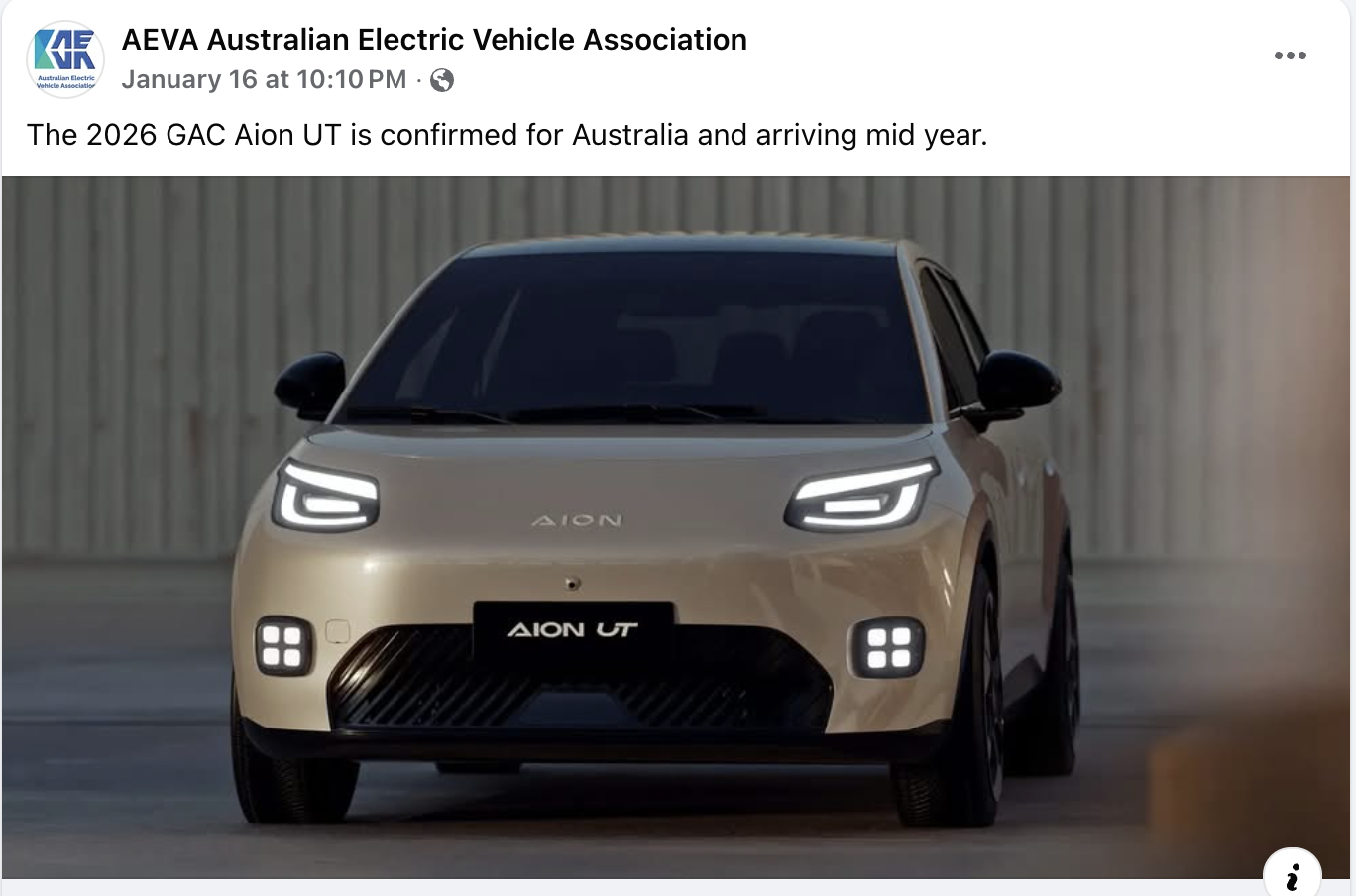
NIO is not alone in targeting Australia in 2026. GAC Group, which entered Australia in late 2025, plans to launch the Aion UT hatchback between April and June 2026.
Positioned in a more price-competitive segment, the model is expected to intensify competition among Chinese EV brands in the Australian market.
However, Australia’s limited charging network remains a key constraint while more EV models are entering the market. Coverage outside major cities is patchy, which can restrict travel and create range concerns for drivers.
Although NIO plans to adjust its battery-swapping system for international standards, the pace of infrastructure development will directly affect its launch and user adoption in Australia.