
A social media post linked to The Galeries shopping centre in Sydney’s CBD has provided a timely insight into how contemporary business models are evolving. The announcement that TikTok-famous dessert brand Cherry’s Goods would open a brick-and-mortar store quickly gained traction online, highlighting a broader reality: in the social media era, brand growth is increasingly shaped by the dynamics of the influencer economy.
Social media platforms are no longer mere marketing tools—they now play a central role in shaping consumer decisions. As of March 2025, TikTok reported more than 8.5 million users in Australia, connecting approximately 350,000 local businesses nationwide, highlighting the platform’s growing role in linking consumers with emerging brands.
Cherry’s Goods is a clear example of this trend. Before launching the brand or entering physical retail, its founder built an audience by running a personal social media account and sharing meal preparation content. The trust developed through this content was later transferred to the products, enabling Cherry’s Goods to convert online attention into offline retail expansion.
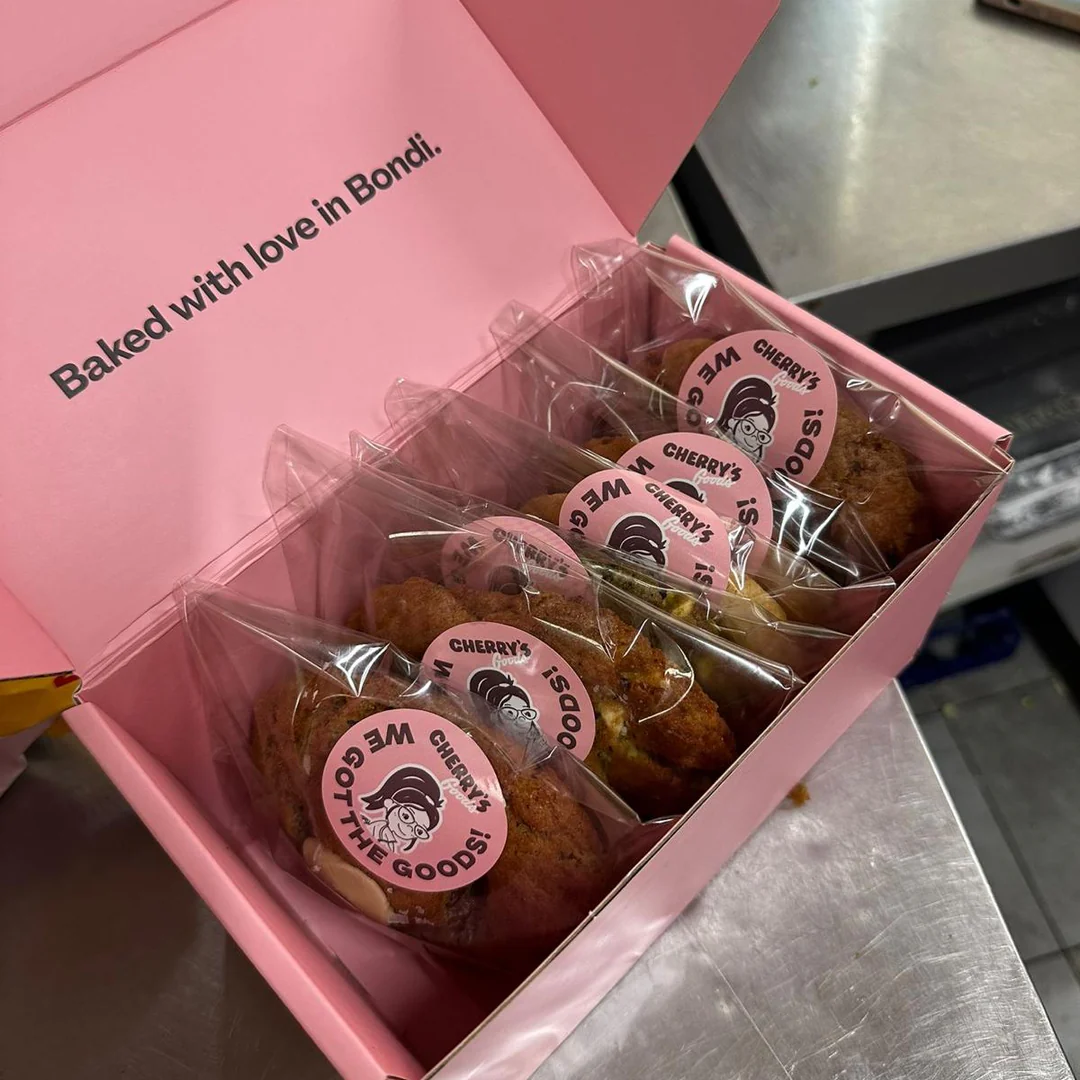
In addition, boutique dessert house Sweet Lu followed a different social-media-driven path. Founded by Lucy Lu in 2017 as a home-based baking venture, the brand initially took orders through WeChat before supplying local Asian grocers, while building its reputation via Chinese-language platforms and Chinese Australian community networks. Rather than chasing viral moments, Sweet Lu grew through sustained community engagement and word-of-mouth trust, using its Chinese–Western fusion desserts to move from a home kitchen to four stores across Sydney.

Both examples show how social media has become more than a space for posting content—it is where a new generation of entrepreneurs is formed. Platforms now allow first-time founders and individual creators to reach customers directly, enabling them to test both their products and the market without large budgets or traditional advertising. By sharing personal stories and everyday experiences, creators become part of the brand itself, making products more relatable to consumers.
Yet turning online traffic into a viable business model remains challenging. As social-media-driven brands move offline, they face real-world constraints such as rising overheads, supply-chain complexity, and quality control—factors that online influence can be a double-edged sword if not leveraged strategically. Ultimately, these are the realities that determine whether social-media-driven brands can survive and thrive.