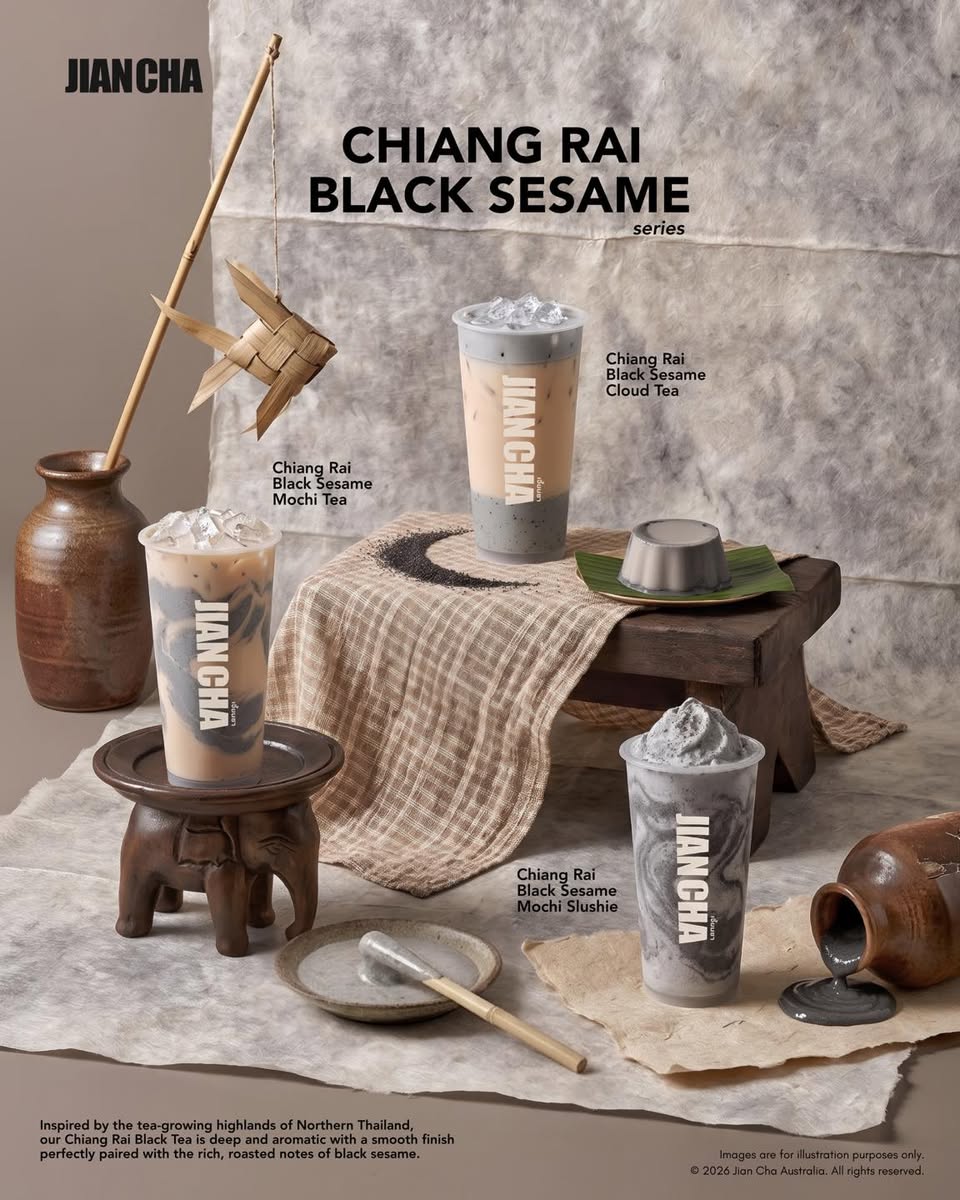
Located at 187 George Street in Brisbane’s CBD, the new outlet marks the brand’s first move outside Victoria. The launch included promotions, an opening event and a Brisbane-exclusive menu item, with the brand reporting more than 1,500 drinks sold during its very first day.
Jian Cha was developed in Bangkok with both Thai and Chinese influences. Its Chinese name translates roughly as “Inspecting Tea”, reflecting the brand’s focus on tea quality, ingredients and preparation.
Rather than concentrating solely on traditional Thai milk tea, Jian Cha offers fresh teas, milk teas, fruit-based drinks and matcha. In Australia, it has also introduced plant-based products using premium matcha and MILKLAB oat milk.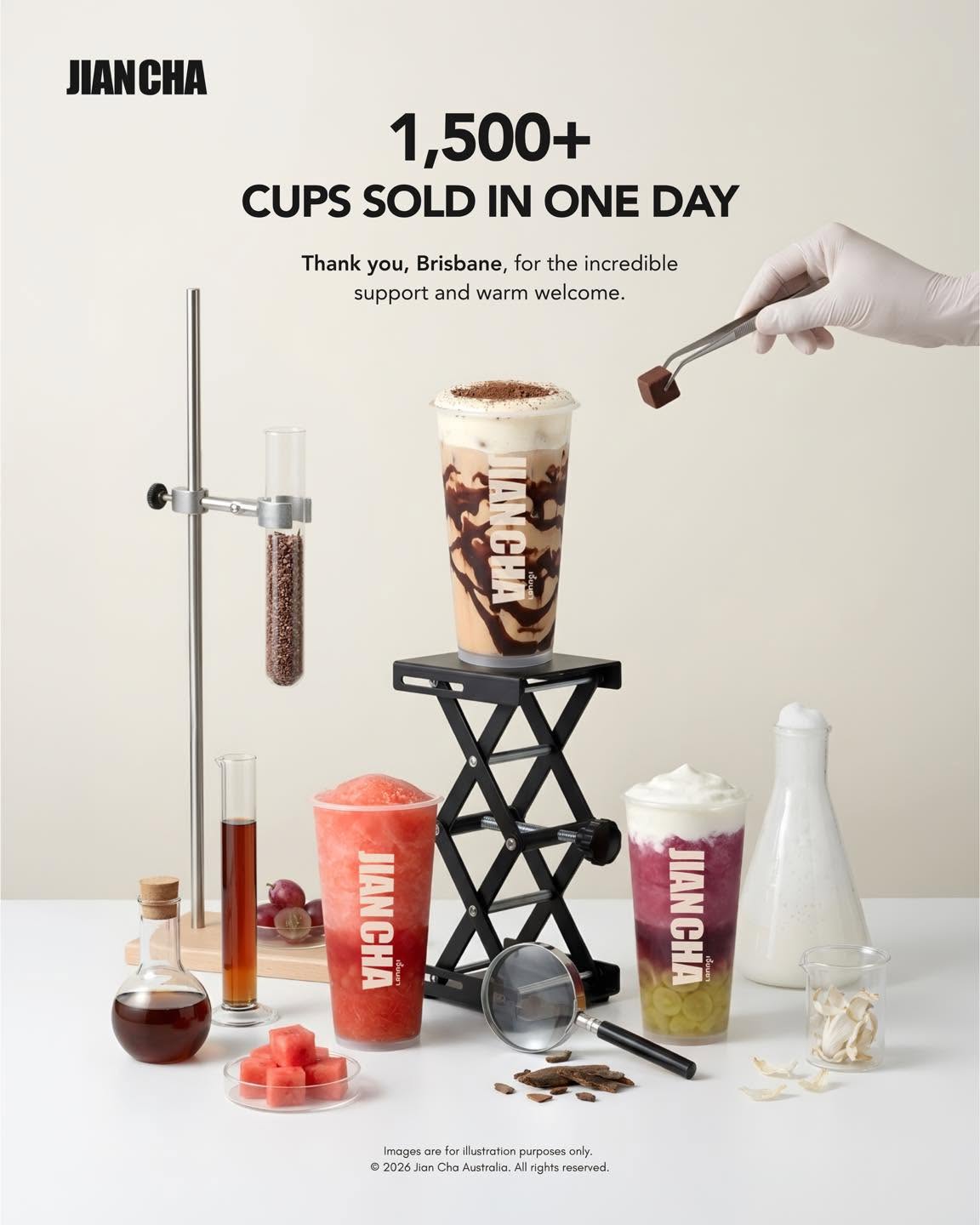
Thai milk tea is typically made with strongly brewed black tea and condensed or evaporated milk, creating a sweeter, richer flavour. Contemporary Chinese tea chains, by comparison, increasingly emphasise fresh milk, jasmine and oolong tea bases, fruit, matcha and other premium ingredients.
Australia is now attracting brands from both traditions.
ChaTraMue, Thailand’s best-known heritage tea brand, opened its first Australian flagship on Swanston Street, Melbourne, in March 2026. Tracing its roots to a Bangkok Chinatown tea shop established in 1925, the family-owned brand is widely recognised for its signature “Number One Brand” Thai tea and “Thumbs Up” logo, and has grown into an international name associated with traditional Thai milk tea.
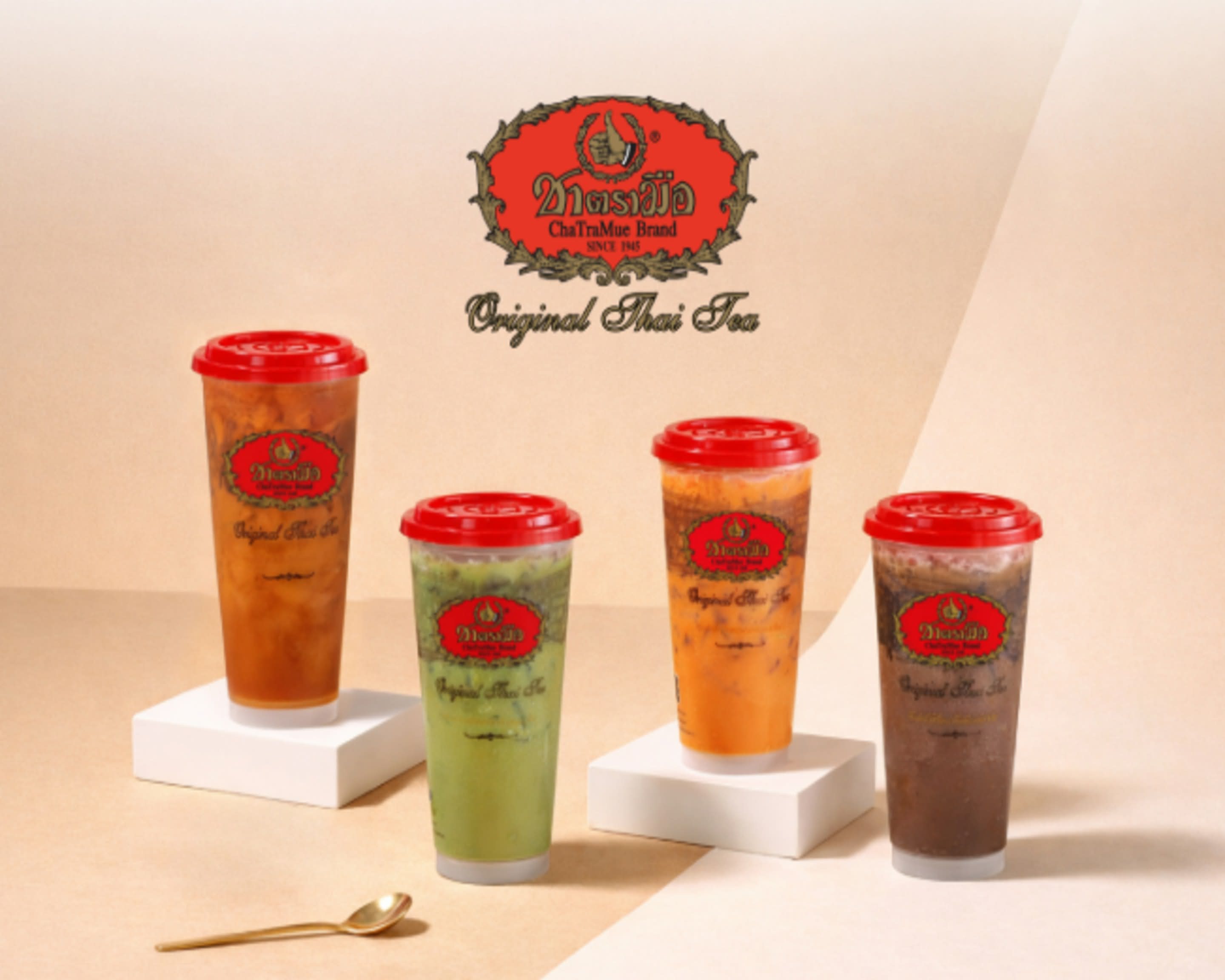
(Image source: ChaTraMue Australia's website)
Jian Cha, meanwhile, is pursuing a more hybrid, lifestyle-led approach, promoting tea around wellness, mindfulness and connection.
The brand is also leveraging social media, creator and influencer marketing, and experience-led events to build awareness among younger consumers. In Melbourne, it supplied 200 complimentary tea drinks at a “Tea Rave” at No Vacancy Gallery, bringing founders, designers, operators and other creative professionals together over tea, music and conversation.
The arrival of Thai brands adds another layer to Australia’s increasingly crowded tea market, where Chinese premium brands including HEYTEA, CHAPANDA, Molly Tea, Molan Tea and LULI Tea are also expanding.
As competition intensifies, operators are differentiating through premium ingredients, store design, merchandise, social media activations, membership offers and lifestyle experiences.
(Image source: Jian Cha Tea Australia's Facebook)