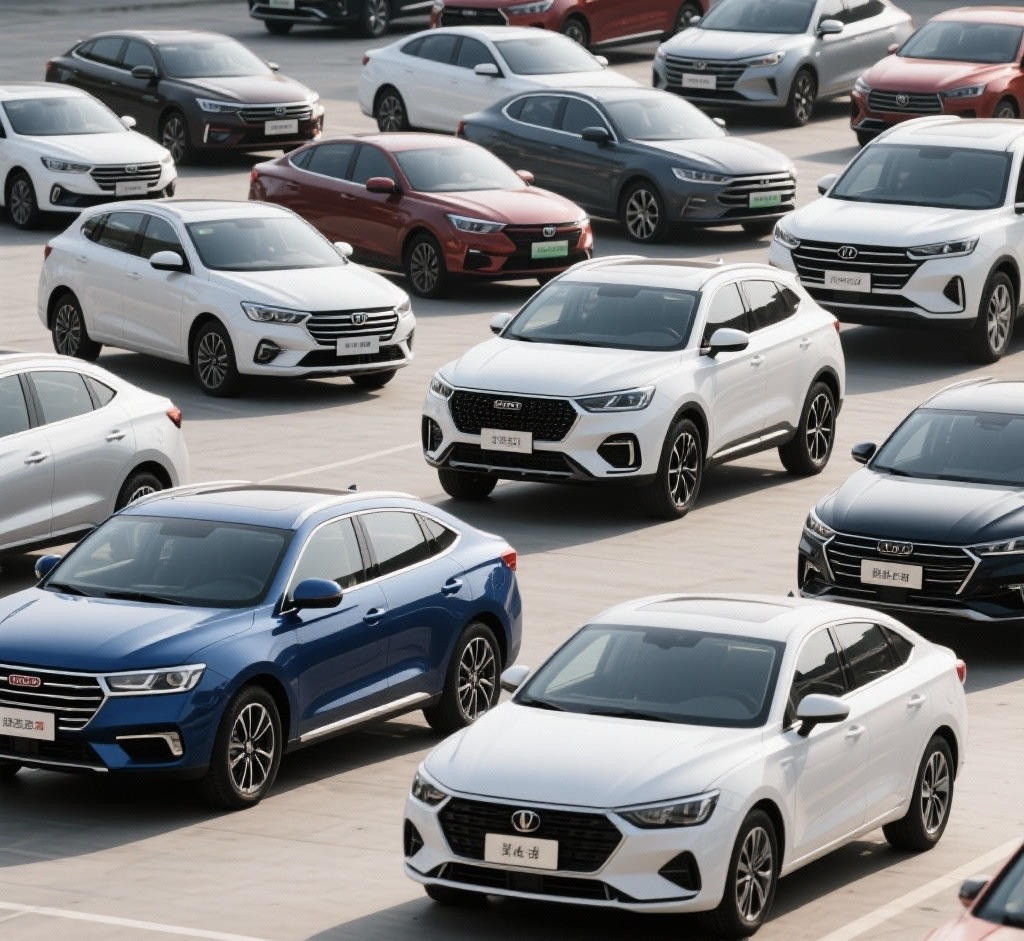
In 2025, Australia’s new vehicle market set a sales record for the third consecutive year, with total deliveries reaching 1,241,037 units. China has overtaken Thailand by approximately 7,000 vehicles, becoming Australia’s second-largest source of new cars after Japan. Vehicles manufactured in China accounted for about 20 per cent of total new-car sales, up from roughly 14 per cent in 2024.
Several Chinese brands recorded strong growth in 2025. Below are some of the fastest-growing Chinese automakers during the year.
Chery--Sales up 176.83% (34,889 vs 12,603)
Chery emerged as Australia’s fastest-growing Chinese automotive brand in 2025. Its growth was driven by multiple SUV models rather than a single bestseller, reflecting a more established product lineup. During the year, Chery also launched its sister brand, Omoda Jaecoo, in the Australian market.
By 2026, Chery Australia participated in the Money Best of the Best Awards for the first time and won two awards, signalling rising consumer recognition and a more stable market position
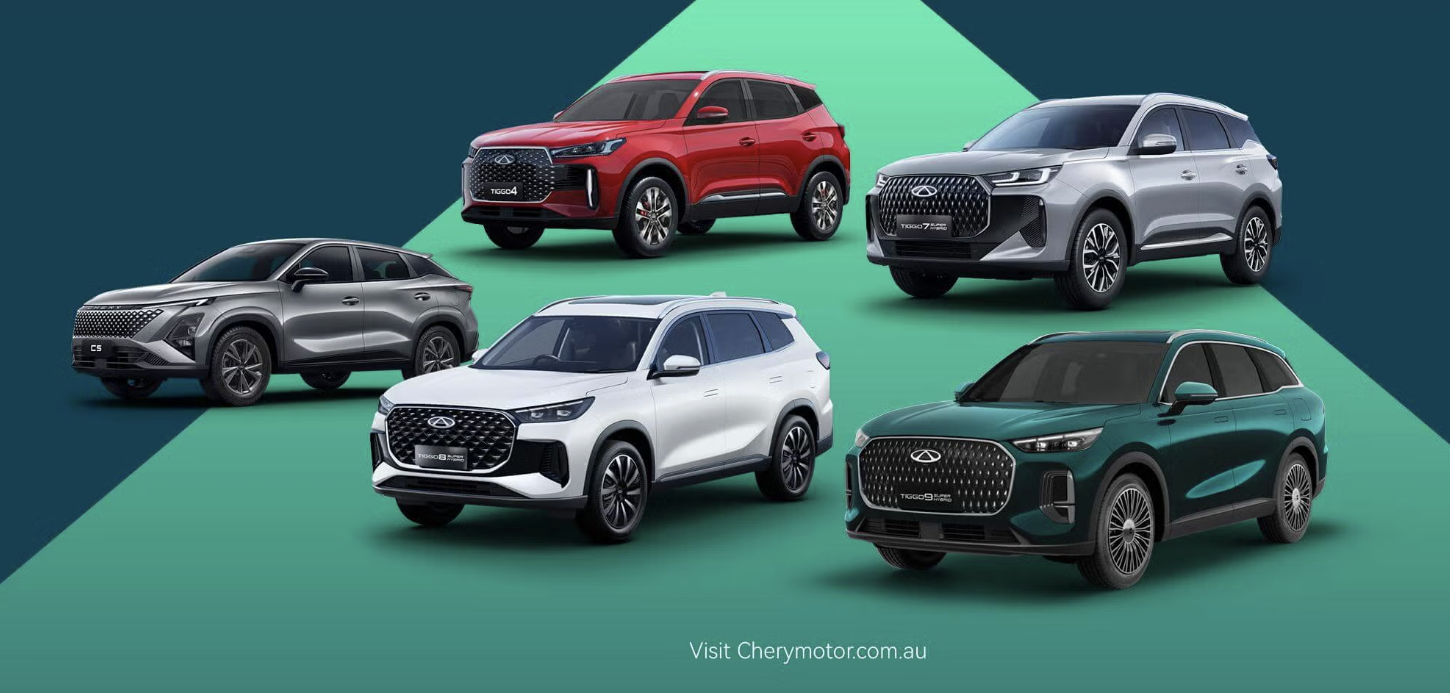
Photograph: Chery
BYD--Sales up 156.21% (52,415 vs 20,458)
BYD’s growth in Australia in 2025 was driven by new model launches, particularly its mix of plug-in hybrid and fully electric SUVs, which strengthened its position in the expanding new-energy segment. According to the VFACTS data, BYD rose to fourth place in overall new-car sales, becoming the first Chinese automotive brand to break into the top five.
BYD’s rapid sales growth is also supported by a strategic shift to take direct control of local distribution from July 2025, steadily growing a national network of around 50 retail and service centres across Australia — one of the broadest footprints among Chinese EV brands in the market.
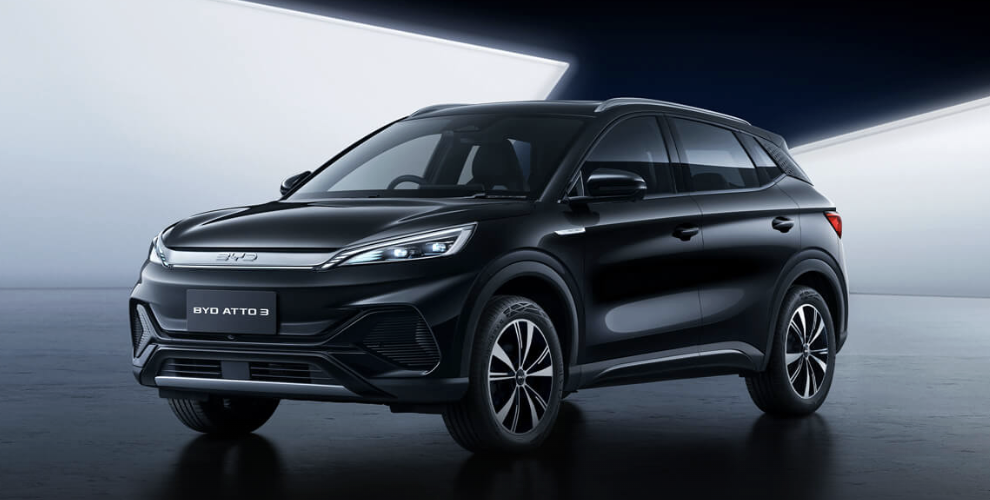
Photograph: BYD
GWM (Great Wall Motor)--Sales up 23.44% (52,809 vs 42,783)
GWM was the first Chinese automaker to establish large-scale operations in Australia. Unlike manufacturers focused primarily on electric vehicles, GWM’s portfolio in Australia spans internal combustion, hybrid and plug‑in hybrid models, with recent ute introductions playing a significant role in lifting the brand’s overall sales performance.
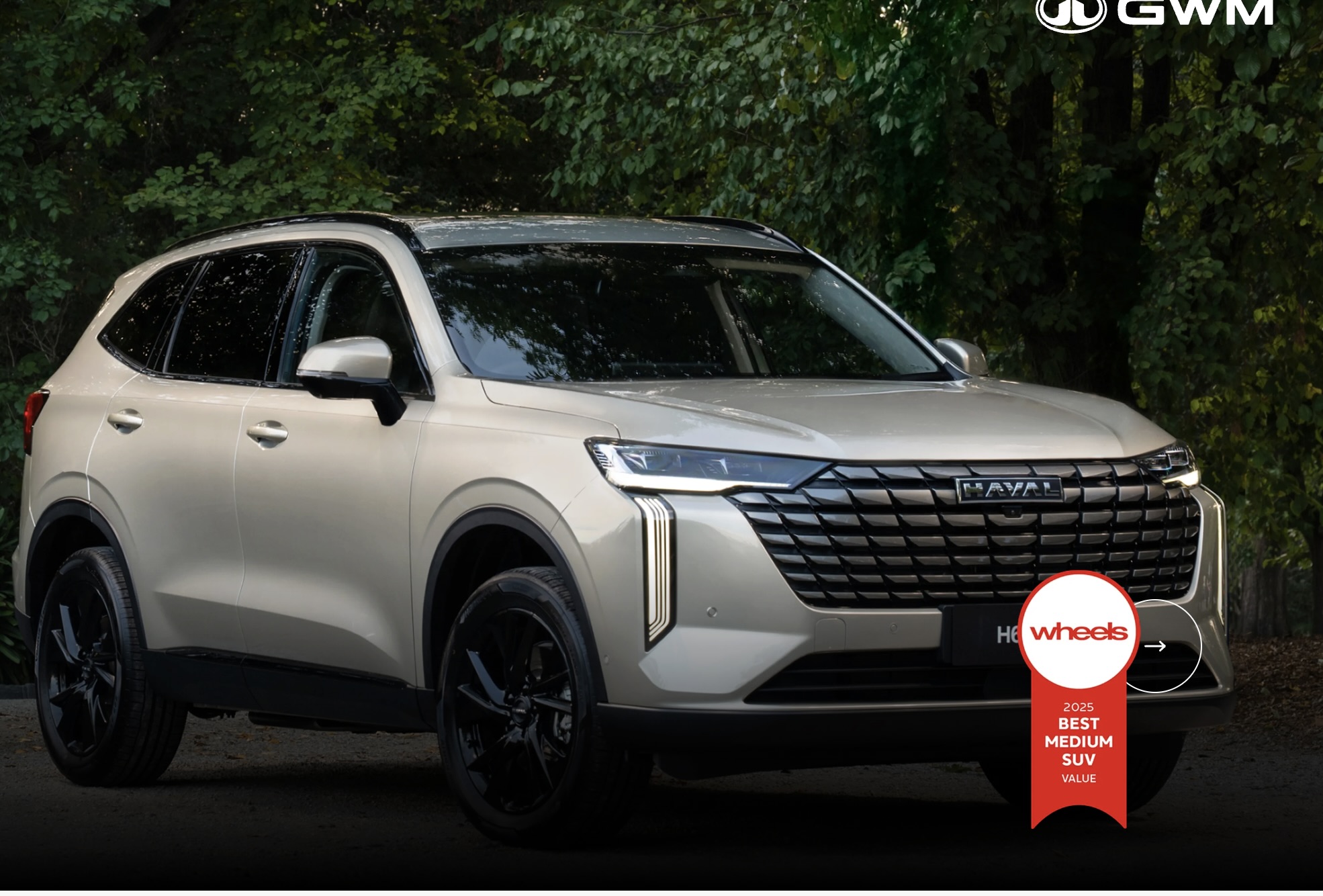
Photograph: GWM
As Australia’s transition toward electrification accelerates, China’s experience in electric and plug-in hybrid vehicles is increasingly translating into real market advantages, with growing implications for the local new-car market.
According to The Wall Street Journal, Chinese electric vehicle manufacturer NIO is planning to enter the Australian and New Zealand markets in 2026, with its first right‑hand‑drive model launches likely in the second half of the year as part of a broader global expansion strategy.
In a recent development, Canada announced a trade deal with China allowing up to 49,000 Chinese EVs to enter at a reduced 6.1% tariff. Australia currently allows Chinese EVs to enter without additional import duties, supporting the growing presence of brands like BYD in the local market.
China’s competitiveness in the new-energy vehicle sector is the result of long-term strategic choices. In the early 2000s, China recognised the difficulty of challenging established European, US and Japanese automakers in traditional internal combustion vehicles, and instead focused on the emerging electric vehicle sector.