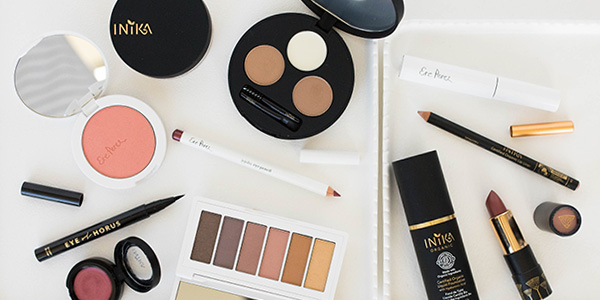
Here are the realities every beauty brand must understand before entering Australia.
1. Beauty Products Are Heavily Regulated — Not Just “Cosmetics”
In Australia, cosmetics are not treated as simple consumer goods. Many ingredients and claims fall under chemical and therapeutic regulation.
Three regulatory bodies dominate the industry landscape:
The Therapeutic Goods Administration (TGA) oversees products that make therapeutic or medical-style claims. Acne treatment, pigmentation correction, and especially sunscreen often fall into this category.

Image Source: https://www.tga.gov.au/
The Australian Industrial Chemicals Introduction Scheme (AICIS) controls which cosmetic ingredients can legally be introduced into the Australian market. Any new or modified ingredient generally requires notification or assessment.
Image Source: https://www.industrialchemicals.gov.au/
The Australian Competition and Consumer Commission (ACCC) enforces advertising integrity, ensuring brands do not exaggerate performance, mislead consumers, or misuse terms such as “clinically proven,” “organic,” or “non-toxic.”
 Image Source: https://www.accc.gov.au/about-us/accc-role-and-structure
In practice, non-compliant ingredients are far more dangerous to a brand’s future than a failed marketing campaign.
2. Sunscreen Is Not a Cosmetic in Australia — It Is a Therapeutic Product
In many countries, sunscreen sits comfortably in the beauty aisle. In Australia, it is regulated as a therapeutic good.
This means:
- Products must be approved by the TGA
- Clinical testing is required
- Packaging, claims, and SPF statements are tightly controlled
The financial cost, regulatory timeline, and technical barrier are extremely high. For many overseas brands, sunscreen becomes the first point of market entry failure.
Selling sunscreen in Australia is effectively entering a medical regulatory pathway.
 Image Source: https://www.sbs.com.au/
3. “Natural” ,“Clean” and “Eco-Friendly” Are Legal Claims — Not Marketing Fluff
Australian consumers care deeply about ingredient safety, sustainability, and cruelty-free practices. But unlike many markets, these values are enforced through strict advertising law.
Claims around:
- natural formulas
- chemical-free products
- environmentally friendly packaging
- ethical sourcing
must be verifiable and accurate. Unsupported greenwashing can trigger investigations and penalties from the ACCC.
Australia has become one of the world’s toughest markets on misleading beauty marketing.
4. Australian Consumers Trust Science Over Influencers
The Australian beauty buyers behave very differently from fast-trend Asian markets.
Products succeed not because of celebrity endorsements or visual aesthetics, but because of:
- ingredient transparency
- clinical evidence
- before-and-after testing
- dermatological explanations
Long-term trust consistently outperforms viral hype.
Brands built purely on aesthetics and influencer buzz struggle to achieve sustained sales.
5. Distribution Is Highly Concentrated — and Heavily Controlled
Australia’s beauty market is not driven by social commerce. It is dominated by a small number of powerful retail channels:
- national pharmacy chains
- specialty beauty retailers
- direct-to-consumer websites
These distributors maintain strict onboarding standards focused on regulatory compliance, ingredient safety, and claim credibility.
Advertising spend alone does not secure shelf space. Compliance opens the door to channels with traffic.
6. Compliance Is the Real Competitive Advantage
Australia welcomes international beauty brands — particularly innovative Asian skincare.
However, the market does not reward shortcuts. It rewards preparation.
Success depends on:
- Full regulatory readiness
- Substantiated performance claims
- Accurate labeling
- Long-term brand credibility
Brands that treat compliance as a cost center often experience complaints, delisting, and reputational damage.
In Australia, regulatory strength is not defensive — it is strategic.
7. Australia Is Wealthy — But Structurally Expensive
Australia has just 26 million people — a high-income but relatively small consumer base.
At the same time, it is geographically isolated, with high freight costs, strict biosecurity controls, and significant warehousing expenses.
This creates a unique equation:
- Smaller total addressable market
- Higher logistics and distribution costs
- Slower retail scaling
- Margin discipline becomes critical
Brands built for high-volume, low-margin expansion strategies often struggle.
In Australia, success depends on premium positioning, controlled distribution, and sustainable margins — not rapid mass rollout.