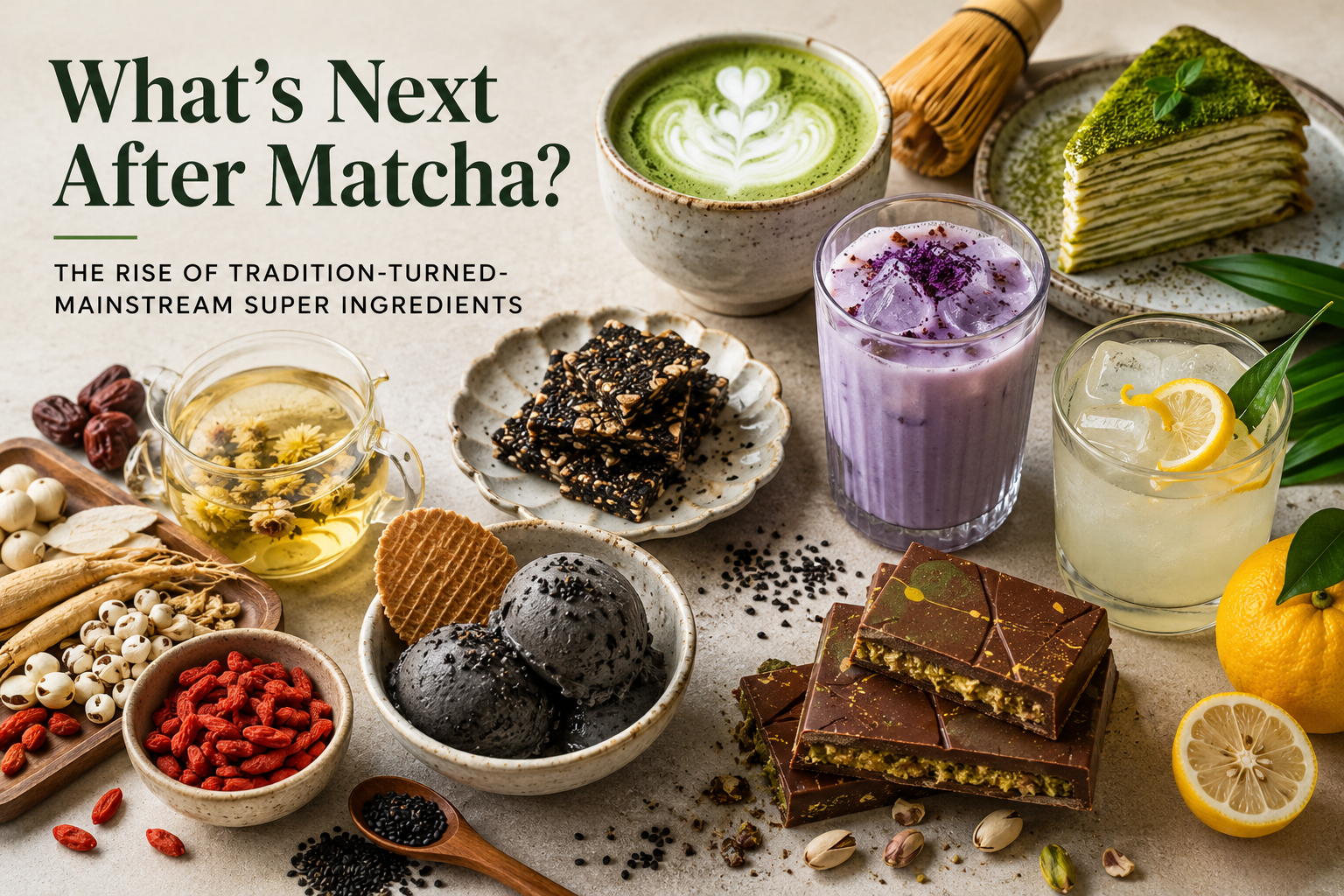
The strongest breakout products increasingly combine wellness positioning, cultural authenticity, visual distinctiveness and versatility across café drinks, desserts, snacks and ready-to-drink products.
Some ingredients are gaining traction largely through social-media-driven food culture.
Taro has expanded alongside the broader “purple food” trend following açaí and ube, while pandan’s vibrant green colour has helped it spread across pastries, cakes and café beverages in Australia, Singapore and the United States. Yuzu has also entered premium beverage markets through sparkling drinks, cocktails and ready-to-drink products popular with younger foodie consumers.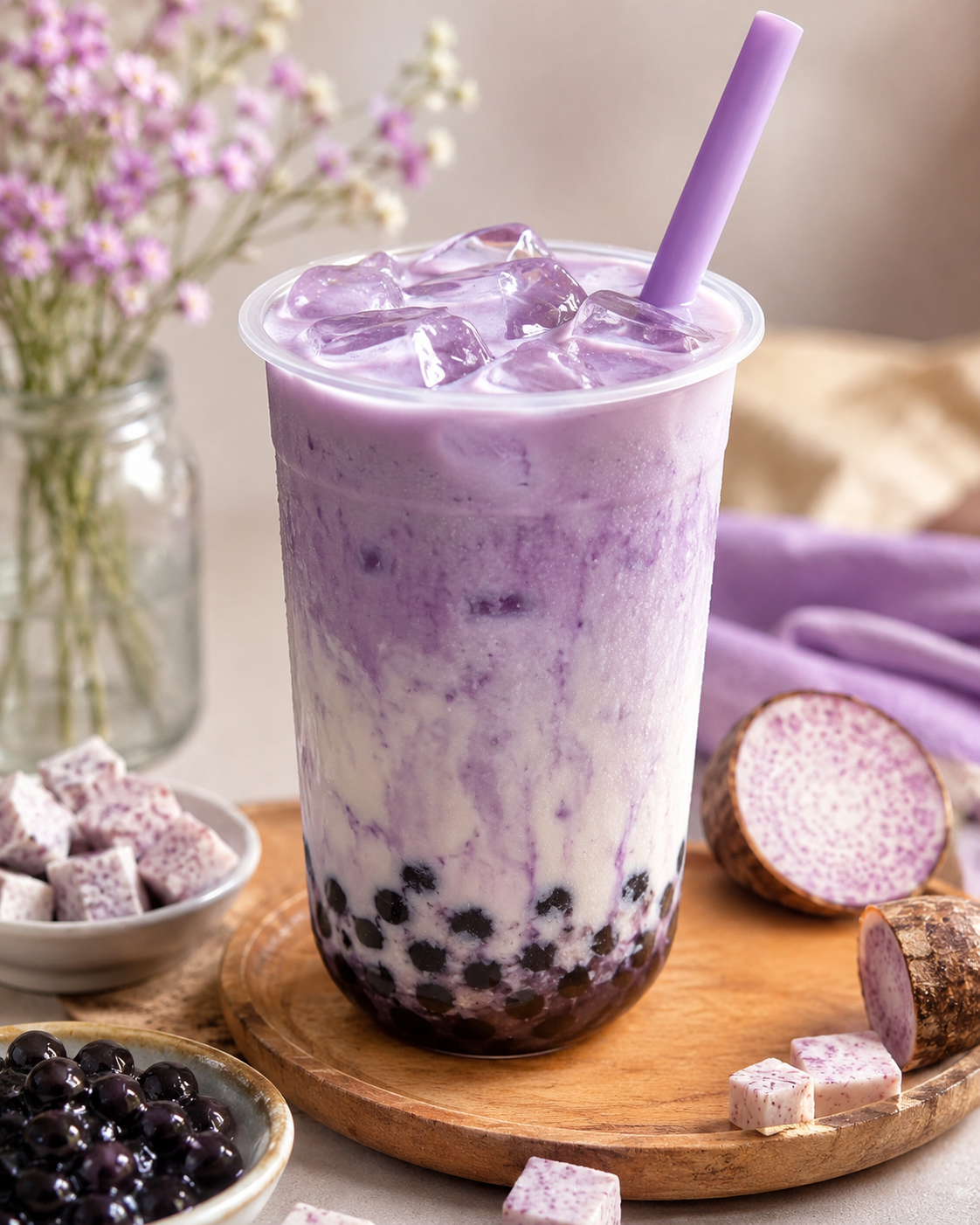
Australia’s café sector has become an important testing ground for these visually distinctive products. IBISWorld estimates Australia’s coffee shop industry revenue reached A$7.1 billion in 2025–26, with operators increasingly relying on signature drinks and visually distinctive menu items to differentiate themselves.
The rapid rise of “Dubai chocolate” further demonstrated how quickly social media can commercialise regional flavours globally. The pistachio-filled chocolate, inspired by Middle Eastern knafeh desserts, expanded from TikTok trend to supermarket shelves, bakery products and desserts internationally. Products later appeared through major retailers including Coles and Woolworths, while Lindt Australia launched its own “Dubai Style Chocolate” range.
Reuters also reported that rising global demand linked to the trend contributed to pistachio supply pressure and expansion plans among international growers.
But visually appealing ingredients do not always become long-term commercial winners.
According to Grand View Research functional foods market report, the global functional foods market was valued at US$329.6 billion in 2023 and is projected to reach US$586 billion by 2030. That shift is pushing greater attention toward ingredients linked to wellness, traditional food systems and natural nutrition.
Goji berries, once mainly associated with Chinese soups and herbal foods, now appear in granola, kombucha blends and wellness teas. Black sesame is increasingly appearing in protein snacks, desserts, ice cream and café beverages, combining strong visual branding with associations around antioxidants and plant-based nutrition. Sydney café Kahii’s black sesame drinks have attracted strong social-media attention, while Australian food trend forecasts have identified black sesame as one of the fastest-rising café ingredients.
Across Traditional Chinese Medicine (TCM), the concept of 药食同源 (“medicine and food homology”) has influenced food consumption for centuries. Ingredients including chrysanthemum, ginseng, red dates, cassia seed and Job’s tears have long been sold across Chinese supermarkets and convenience stores as teas, soups and bottled drinks rather than specialist supplements.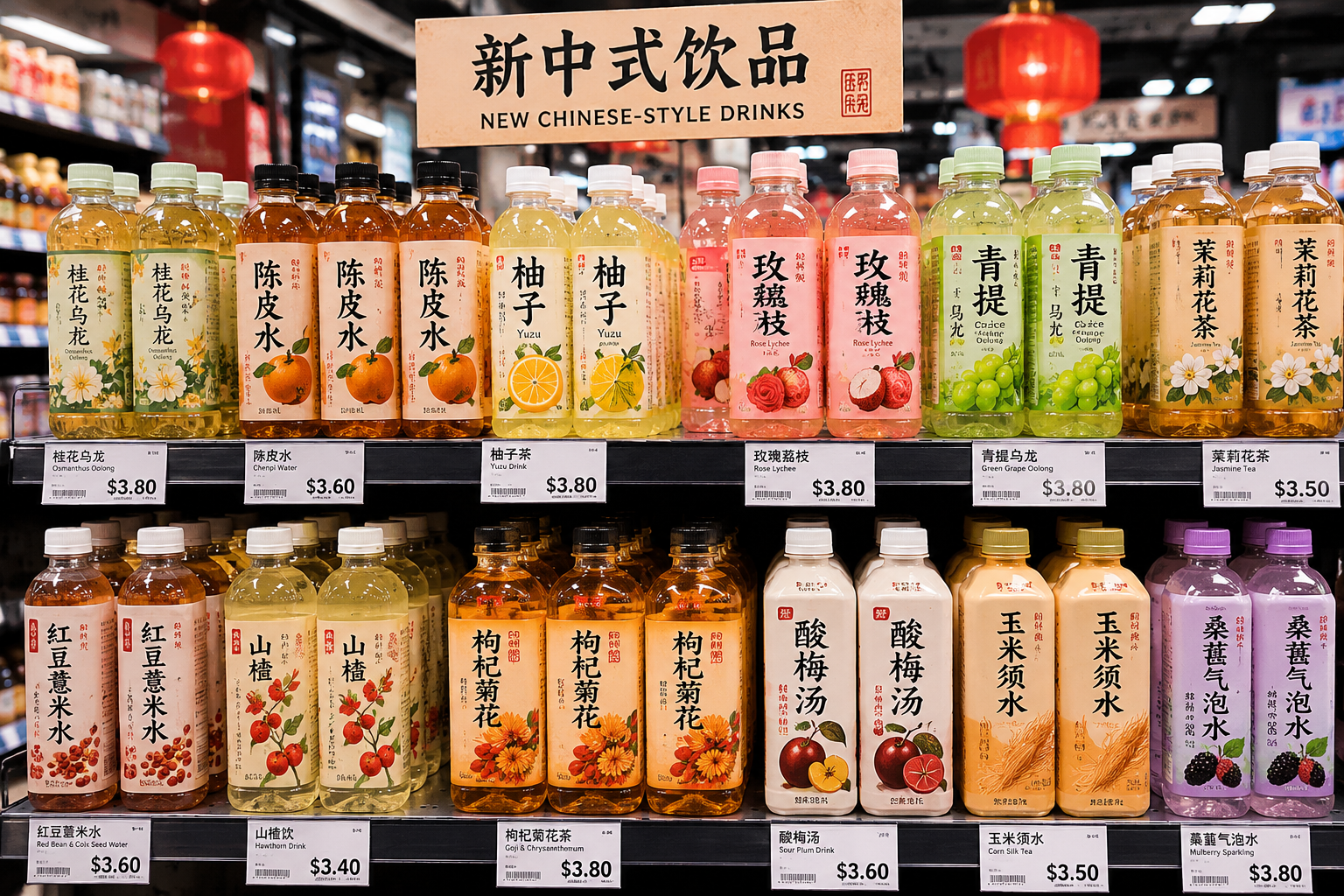
Ejiao (阿胶), traditionally consumed as a medicinal tonic made from donkey-hide gelatin, is increasingly being repackaged into wellness confectionery, collagen-style snacks and chocolate products targeting younger consumers. Industry publication Vitafoods Insights functional chocolate report recently highlighted growing demand for functional chocolate products inspired by Traditional Chinese Medicine ingredients and wellness positioning.
India’s Ayurvedic traditions have already produced globally successful ingredients including turmeric, while moringa and ashwagandha are increasingly appearing in supplements and wellness beverages. African ingredients including hibiscus and baobab are also gaining visibility in botanical drinks and health-focused packaged foods.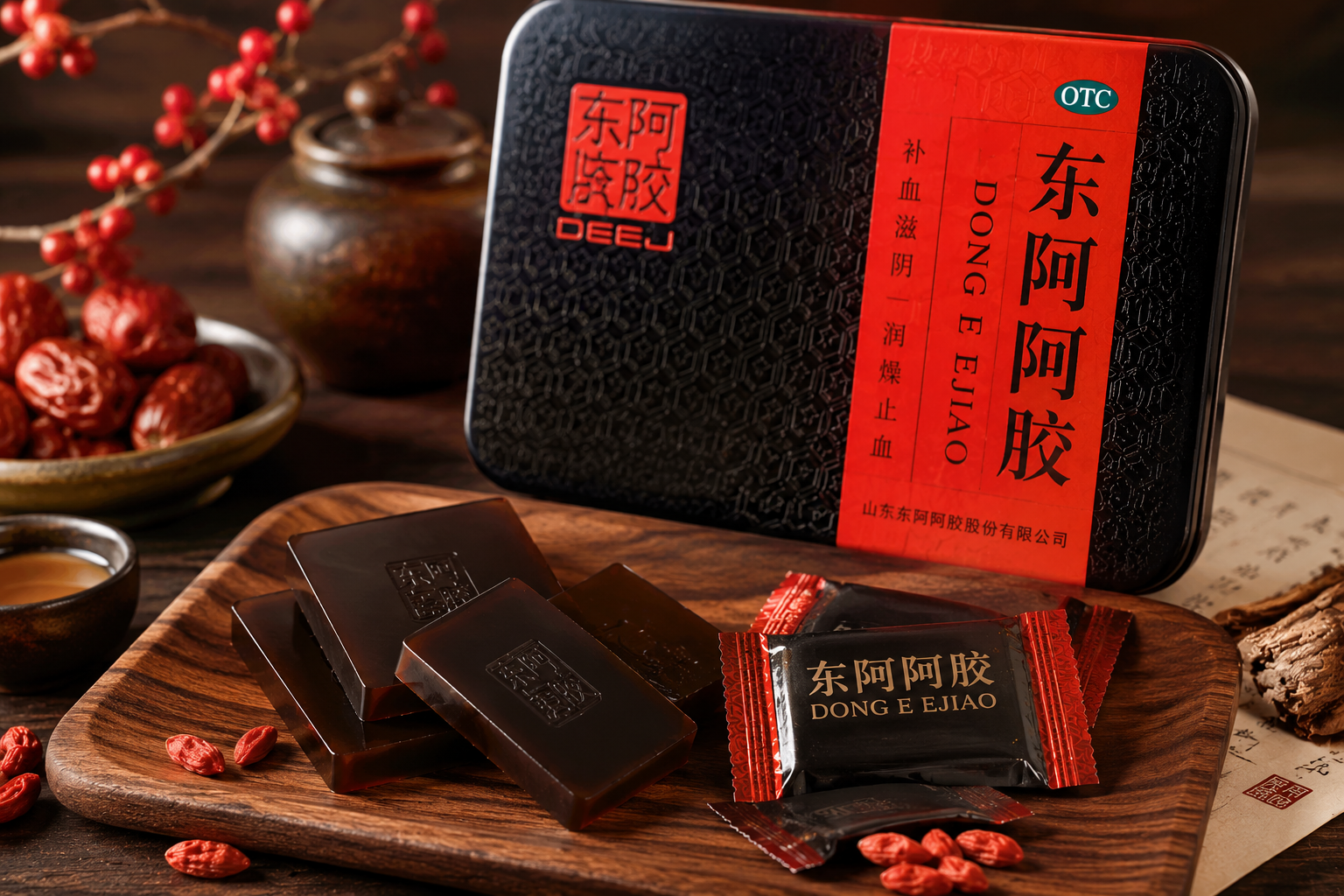
As these traditional wellness ingredients move further into mainstream markets, companies also face growing compliance risks around therapeutic and functional-health claims, particularly in Australia, the United States and Europe. Many brands therefore position these ingredients around wellness, lifestyle and cultural storytelling rather than explicit medicinal claims.
For many multicultural consumers, these ingredients are not emerging trends but familiar parts of everyday diets, family traditions and cultural food practices.
The next global “super ingredient” may already exist within traditional food cultures — waiting for the right mix of wellness, storytelling and social-media momentum to break into the mainstream.