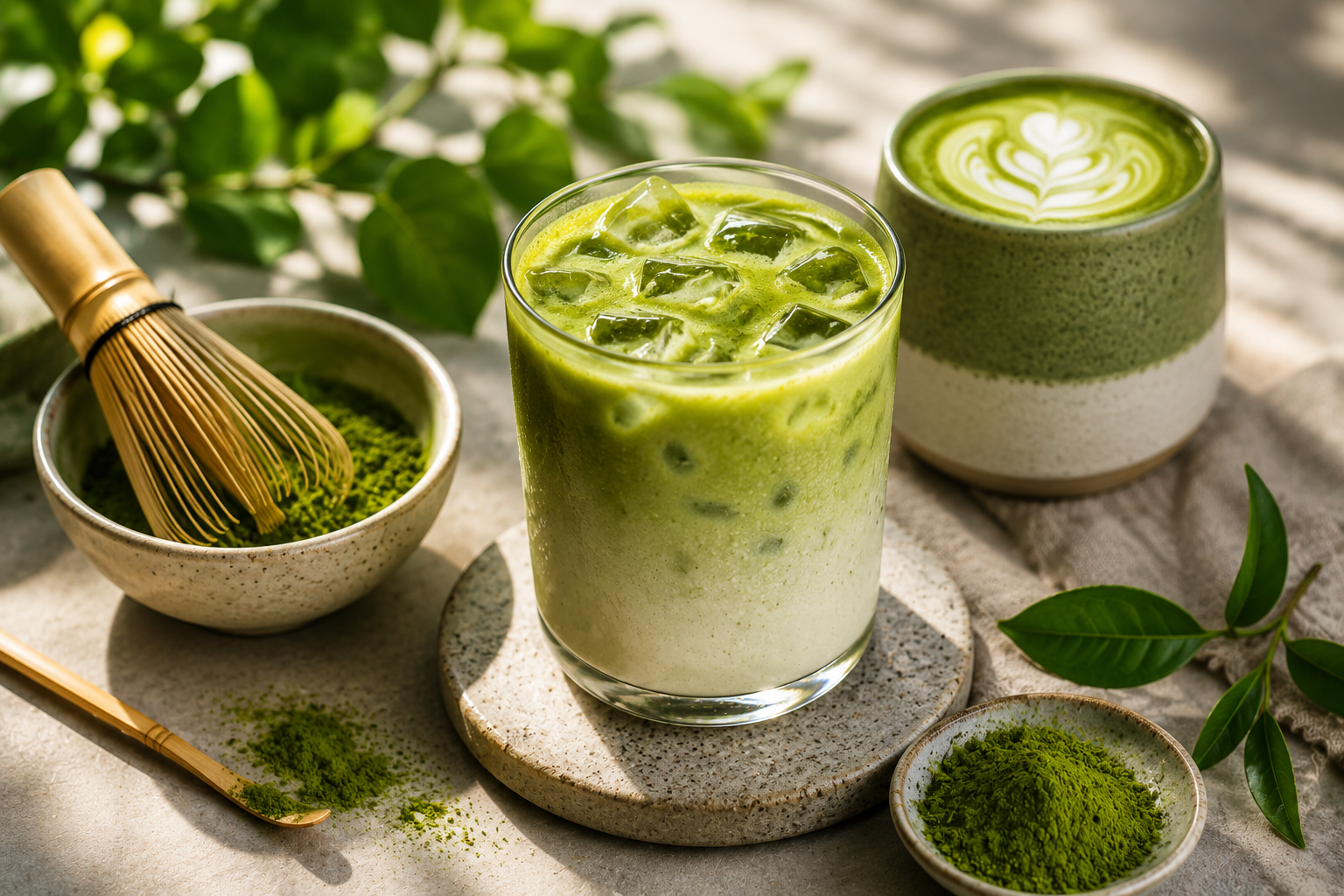
From café drinks and desserts to beauty products and wellness culture, an increasing number of traditional ingredients are crossing borders and entering mainstream global consumption. Once closely tied to specific regions and cultural practices, products such as matcha are now being reshaped through social media, branding and changing consumer habits.
This series, From Tradition to Trend, explores how cultural ingredients evolve into global consumer phenomena — and why some products successfully move from niche communities into mass-market lifestyles.
Matcha is one of the clearest examples.
Once associated mainly with Japanese tea ceremonies and specialty cafés, matcha has become one of the fastest-growing products in global café culture. In Australia, the trend has accelerated rapidly over the past two years. In October 2025, McDonald's Australia launched three McCafé matcha drinks nationally following a successful trial, while Starbucks Australia continues expanding its matcha-based drinks, desserts and seasonal products.
What was once considered a niche East Asian product has now firmly entered the mainstream.
Originating in China and refined through Japanese tea culture, matcha is made by grinding shade-grown tea leaves into fine powder. Traditionally linked to ritual and craftsmanship, it has increasingly been repositioned for modern consumer culture through wellness branding, café rituals and social media aesthetics.
Part of matcha’s appeal lies in how naturally it fits current consumer habits. Many consumers now see it as a slower-release alternative to coffee — one associated with sustained energy, wellness and focus rather than caffeine spikes. At the same time, its vivid green colour has made it highly compatible with TikTok and Instagram, where visually distinctive drinks often become viral trends.
The growth has become large enough to affect global supply chains. Reuters reported that Japan’s tencha production — the leaves used to make matcha — reached 5,336 tonnes in 2024, almost 2.7 times the level a decade earlier. Yet despite rising production, supply has struggled to keep pace with surging global demand. Heatwaves in Kyoto damaged harvests in 2025, contributing to auction prices rising 170 per cent year-on-year.
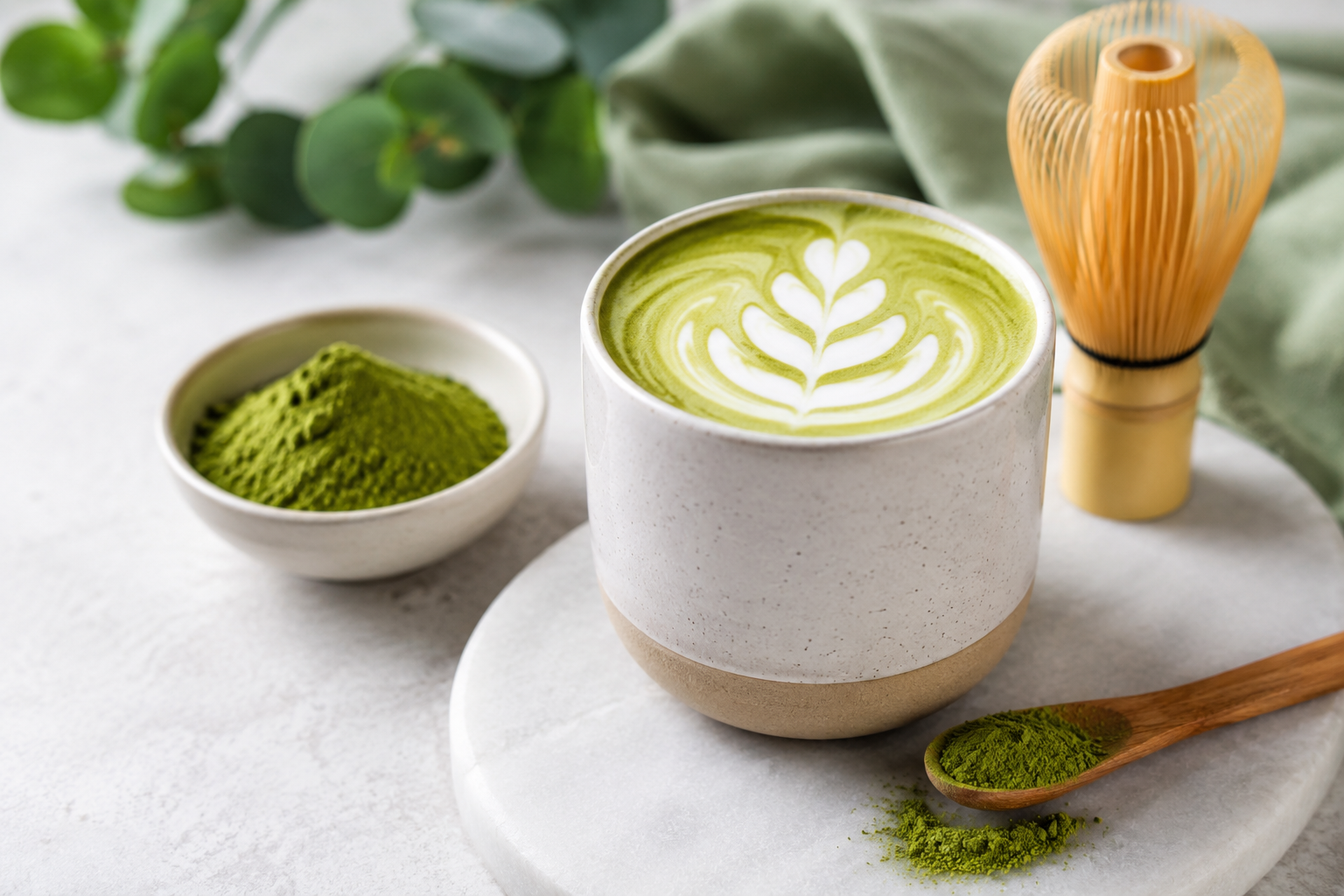
Australian businesses are already feeling the pressure. ABC News reported that some importers described “unprecedented” shortages as cafés compete to secure supply, while several Japanese producers introduced purchasing limits amid booming international demand and rising tourism in Japan.
According to ANZ BlueNotes, Melbourne-based tea company Somage now supplies more than 5,800 cafés across Australia and receives around 25 enquiries a day about matcha products amid tightening global supply.
Unlike earlier waves of imported foods that remained largely within migrant communities, products such as matcha increasingly move directly into mainstream consumer culture through cafés, wellness branding and digital platforms.
Importantly, matcha succeeded not simply because of flavour, but because it combines wellness, ritual, aesthetics and shareability into a modern consumer lifestyle.
It is also not alone. Ingredients such as Açaí and Turmeric have followed similar paths from traditional foods into global wellness and café culture — the focus of the next articles in this series.