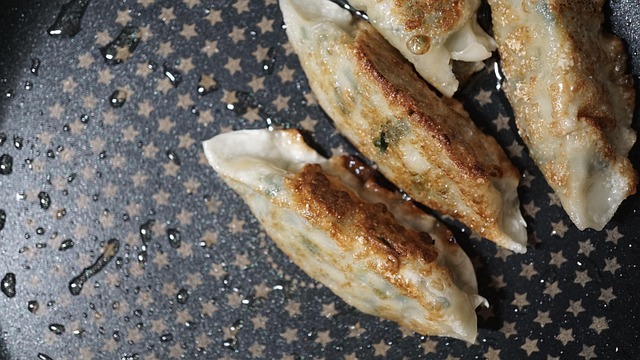
Dumplings have long been at the heart of northern Chinese cuisine — comforting, versatile, and rich with meaning. With fillings that vary by region and season, they embody both creativity and family tradition. The arrival of freezing technology in the 20th century transformed this handmade staple into a modern, global food. Frozen dumplings preserved authentic flavour and convenience, allowing Chinese communities — and later, the world — to enjoy them anytime.
For many Chinese migrants and international students, frozen dumplings carry a special sense of belonging. They are a quick meal, a familiar taste, and a link to family celebrations like Lunar New Year, when dumplings symbolise prosperity and unity.
China remains a global leader in frozen dumpling production, exporting high-quality dumplings worldwide and setting the benchmark for international appreciation of this culinary tradition.
Australia’s Frozen Dumpling Boom
Australia has seen remarkable growth in frozen dumpling consumption, driven by several powerful trends:
- Restaurant Influence
Restaurants such as Din Tai Fung have boosted mainstream interest in dumplings. By offering their signature dumplings in supermarkets, they’ve bridged the gap between dining out and home cooking.
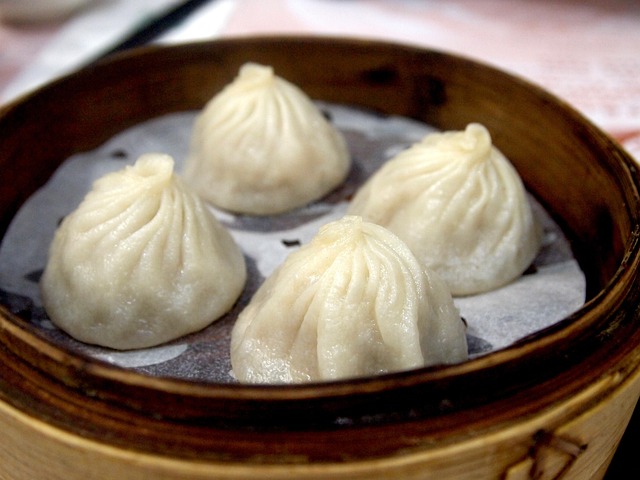
- Rise of Pan-Fried and Shanghai-Style Dumplings
Local Chinese eateries introduced Australians to new regional styles—pan-fried, Shanghai-style and more. Their ease of preparation and rich flavour accelerated at-home adoption.
- Mainstream Supermarket Expansion
Frozen dumplings are now widely available in Coles, Woolworths and Asian grocers. Key players include:
Hakka — over 40 years producing quality dumplings in Australia.
ABC Pastry — founded in 1998, now a supermarket favourite and acquired by Nissin Foods in 2024 for AU$33.7M.
Synear Foods — recently launched locally made dumplings, using Australian ingredients and meeting local quality expectations.
- Media & Chef Influence
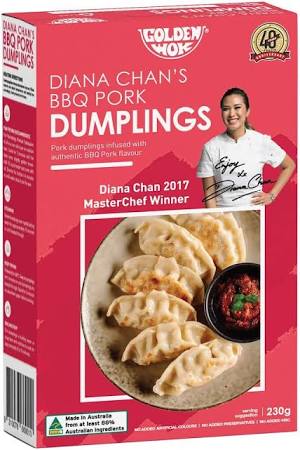
Celebrity chefs and TV cooking shows have normalised dumplings in everyday cooking. Asian Australian chefs such as Adam Liaw, Poh Ling Yeow and Diana Chan (whose dumplings now retail at Coles) have showcased authenticity and accessibility.
- Demographic & Cultural Integration
A growing Chinese Australian population—and increasing numbers of international students—has fuelled demand for familiar comfort foods. Meanwhile, multicultural acceptance has made dumplings a mainstream favourite.
- Variety Beyond Chinese Dumplings
Australian consumers are also embracing Japanese gyoza and Korean mandu, further broadening the category and reinforcing market momentum.
The Rise of Local Manufacturers
Demand growth, combined with strict import rules on meat-based foods, has accelerated local dumpling production. Brands like Hakka, ABC Pastry, and Synear now make their products domestically, using Australian-sourced ingredients and ensuring freshness through shorter supply chains. This local manufacturing push reflects both consumer trust in Australian-made goods and a broader commitment to quality and sustainability. 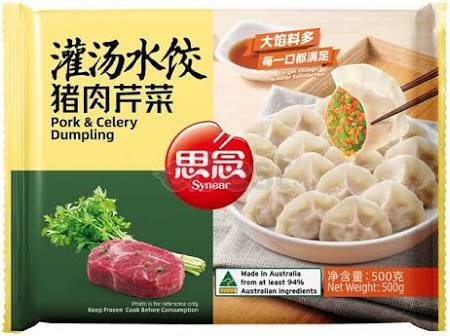 A Growing Culinary and Commercial Opportunity
Dumplings have evolved from a cherished Chinese family dish into a staple of Australia’s multicultural dining landscape — much like sushi’s journey from novelty to mainstream. With their blend of convenience, authenticity, and cultural connection, frozen dumplings are perfectly placed to lead Australia’s next wave of growth in ready-to-cook foods — a small, flavourful reminder that comfort food knows no borders.