
Popular brand collaborations are emerging as a central growth strategy across Asia and beyond. Some initiatives drive immediate sales, others elevate brand perception, and many achieve both. Three collaboration models are currently at play in the Australian market.
1. Collaborating with Other Alignable Brands
Co-branded merchandise allows two brands with overlapping audiences to release limited or exclusive items together. Leveraging each other’s brand equity, distribution channels, and cultural relevance, both parties can increase awareness, strengthen affinity, and access new customer segments.
UNIQLO provides a clear example. At Westfield Sydney, UT × The Monsters T-shirts occupy front-of-store space with oversized Labubu visuals, capturing attention and driving engagement. For the affordable fashion retailer, collaborations reinforce that customers can get culturally relevant, design-led merchandise at an accessible price point, without compromising on taste or individuality.
Beverages franchisor HEYTEA partnered with Pop Mart’s IP Twinkle Twinkle for a new drink’s globally simultaneous international launch. Aligning the IP’s playful tone with the beverage’s festive season flavor amplified visibility for both brands and strengthened their international presence.
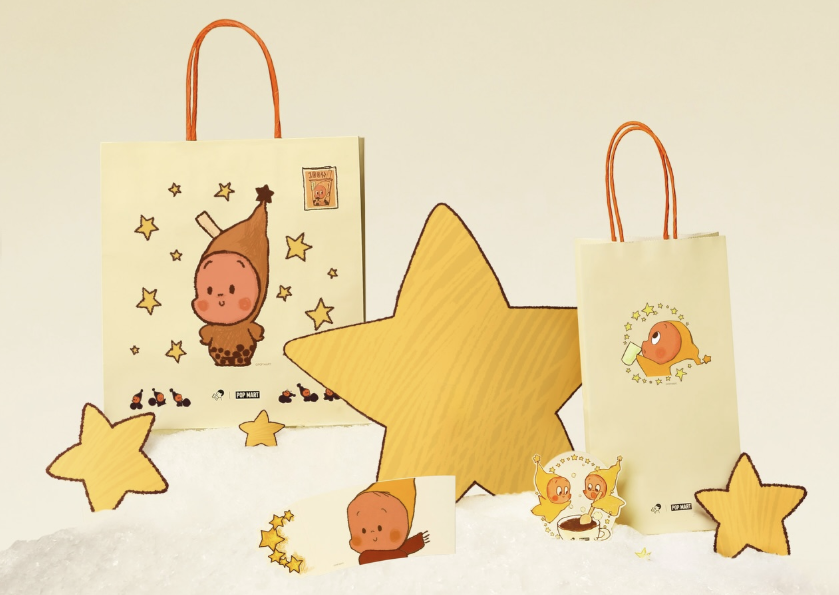
HEYTEA x Twinkle Twinkle. Source: @heytea.au
2. Collaborating with Pop Culture IPs
Films, artworks, and graphics remain highly compatible partners for consumer-facing brands. Leveraging cultural momentum can convert media attention into sales while reinforcing relevance among younger audiences.
The Chinese animated film Ne Zha 2, a global box office success, collaborated with Chinese beverage brands including CHAGEE, Cotti Coffee, and Goodme. Packaging-led collaborations on cups and merchandise captured attention, encouraged social sharing, and deepened emotional engagement. These partnerships associate brands with creativity, self-expression, and individuality—values that resonate strongly with youth consumers.
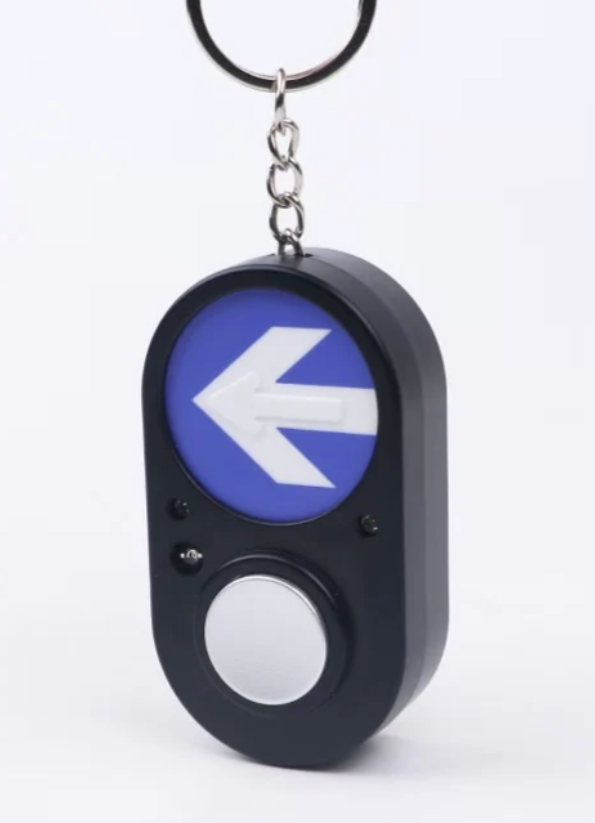
Gatcha Gatcha pedestrian crossing button. Click here for source
3. Collaborating Around Time and Location
Some of the most effective collaborations are tied to specific moments or locations rather than another brand or IP and leverage novelty, scarcity, and local relevance to engage consumers. For example, Starbucks’ city-themed cups tap into the growing trend of city pride and collectible merchandise, highlighting iconic landmarks and designs unique to each location.
Limited-time offerings appeal particularly to younger consumers. In Sydney, franchised tea beverage brands Coco launch jacaranda-themed drinks during the annual bloom, creating timely, shareable merchandise.
Japanese capsule toy brand Gatcha Gatcha contains replicas of Australian pedestrian crossing buttons in their blind-box toy, combining local experience with collectible appeal, trending well on social media.
Limited-time collaborations let brands test the waters with new partners or co-branded merchandise while keeping risk low. By considering brand fit, product quality, accessibility, and PR exposure, even a short-term partnership can generate buzz and reach new audiences.
What IP, product, or brand could you collaborate with to create your next growth opportunity?
Cover image: @heytea.au